
 Chinese
  English
  Russian
  French
  German
  Italian
  Spanish
  Japanese
  Arabic
  Portuguese
  Greek
Greek  Ukrainian
  Turkish
  Czech
Czech  Korean
 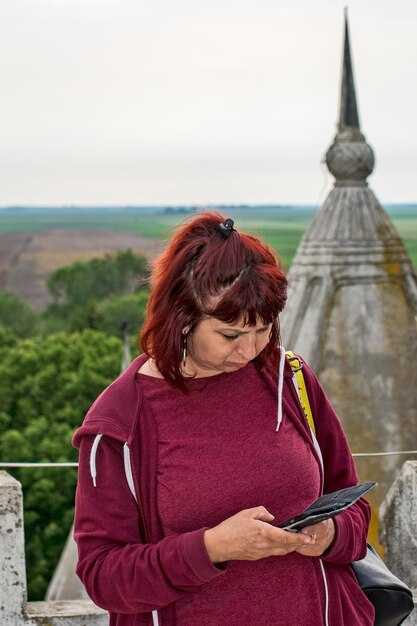 Ultimate 3-Day Budapest Itinerary for First-Time Visitors – Local Picks">

Begin with a dawn soak at rudas and climb the roof for a city panorama as streets begin to stir. During these moments, the river city reveals its millennium heritage, and you feel the pulse before crowds momentarily flood the bridges and promenades.
Stroll along the Danube banks and into the Central Market Hall, then wander an 18th-century arcaded street to discover gems of craft and café culture. Tasting moments include rustic cuisine–langos with sour cream, chimney cake, paprika-laced stews–while listening to the buzz of market chatter. The entrance to a hidden courtyard often reveals an attraction: a courtyard cafe where music slips between columns. Just after opening, the lines rarely stretch beyond a handful of minutes in the morning.
Across the river, a climb to Castle Hill reveals a compact route up to the fortress, with a funicular chugging between archways and stone steps. The Fisherman’s Bastion and Mátyás Church offer views that never disappoint; plan a late-afternoon stop at an eclectic cafe on the terrace to see the city between hills and water. If you crave something quirky, visit houdini museum for a playful break–an entertaining contrast to the grand arcades.
Reserve a late-morning session at a downtown thermal bath such as Gellért or Széchenyi, then roam along Andrássy Avenue to some luxury cafes and a gallery-hopping stretch, taking in an eclectic mix of architecture. The entrance to a hidden courtyard often leads to a boutique gallery or a gem of design. In the evening, opt for a ruin-bar crawl between ornate façades, tasting small plates and rare local wines.
During this compact arc, you’ll encounter much variety–from vibrant street-food stalls to luxury spa experiences, from eclectic street art to quiet courtyards. If you crave something extremely different, book a quick caving excursion under the hills, a rare counterpoint to refined meals along the river. The sequence runs between neighborhoods that feel distinct yet connected, and every moment on foot or by tram helps you see how the city never feels dull, never repeats the same light across the ages.
Ultimate 3-Day Budapest Itinerary for First-Time Visitors
Begin with a waterfront stroll along the Danube, cross the Chain Bridge at the hour when Parliament glows, then ride up to Castle Hill for an incredibly close view. This highlight anchors Day 1 and keeps major sights within easy reach, minimizing backtracing and crowds in the morning. This might feel brisk, but the rhythm pays off.
Morning leads to a spacious markets district, where a grand market hall bursts with paprika, roasted nuts, and fresh pastries. Try salt-kissed bites, cream-filled pastries, and a strudel for dessert. Read the stalls, save a list of favorites, and plan a compact loop into the shortest path to minimize backtracking.
Afternoon soak in thermal pools at Széchenyi or Gellért, then a lively stroll along the waterfront to a rooftop spot for dinner. This is a part of the loop that keeps momentum without fatigue. This popular setup helps avoid the busiest hours while you soak in the vibe. rideshares make crossings quick if time is tight; secure a ticket in advance to skip lines. The park-green surroundings and art installations create a calm contrast to the city’s pulse.
Day three centers on art and architecture, with compact galleries and a sculpture park that showcase both modern and classical works. The riverfront promenade delivers a lively spot to pause for photos of iconic façades and green riverbanks. Markets and plazas host stalls occupied by artists, a nice contrast to the white marble of museums. What you gain here is time to soak in the atmosphere before a final dessert of strudel or cream cake. If you plan ahead, you can grab a ticket option for a museum or gallery to maximize hours before departure.
Day 2 in Budapest: Explore the Buda Side with Fisherman’s Bastion, Baths, and More
Begin at dawn with a quick climb to Fisherman’s Bastion to catch a near-panoramic panorama of the Danube and the Pest skyline. That moment becomes the centerpiece of the day, and you can count centuries of history on the hill. For a nod to local lore, look for the fishermans motif on the stonework.
Descend into the Castle District, where centuries-old streets meet stone facades that hint at distant eras. Matthias Church stands as a prominent centerpiece, with mosaic tiling and stained glass that glow in the afternoon light.
Next, choose a bath session at Gellért Baths, a luxurious complex with Art Nouveau grandeur and thermal pools that soothe tired legs. Nearby, Rudas Bath with a domed terrace offers a different atmosphere and a chance to soak in a historic setting.
Evening meals emphasize Hungarian staples: goulash, pörkölt, and hearty soups; finish with a pastry and coffee from a Castle District cafe.
Secure a place to stay and arrange transfers using bookingexpedia, ensuring quick access to the Castle District, baths, and riverside spots.
Anniversary travelers can tailor picks that highlight the past by visiting guild halls, sampling local wines, and ending with a riverside stroll as night settles.
Finish with a fantastic sunset over the Danube, a moment many call the highlight of the memory.
Plan Your Route: From Chain Bridge to Fisherman’s Bastion
Begin at Chain Bridge, cross toward the Buda shore, and follow the Danube promenade toward the Castle District to preserve the atmosphere and minimize backtracking.
Option A: The classic route climbs from the riverbank through a maze of lanes toward Matthias Church, then reaches Fisherman’s Bastion. Youd can also climb additional steps at the lookout, stop in a room with panoramic views, and enjoy frequent vantage points along the way.
Option B: take andrássy toward the jewish quarter, then move along utca routes toward obuda, ascending by a secondary stairway to the castle wall. This eastern path adds heritage depth, with magdalene church, some cuisine stops, and a few free viewpoints that value a different mood; youd understand the contrast.
Ticket can be bought in advance to guarantee access; consult the information page, and use apps that show routes and live updates on a page. In crowded spots near the bridge, theft risks exist–keep valuables secure. A local guild can provide context about the area’s heritage, while a plan that blends eastern flavor, andrássy life, and utca culture delivers a richer feel of the room, air, and street life.
Best Time for Sunrise or Sunset Views at the Bastion
Arrive on the eastern terraces about 30–45 minutes before sunrise to catch soft gold on the Danube and city spires; in summer this window may be as early as 04:50–05:20, while in winter it shifts to 06:15–06:45, and spring or autumn sit around 06:00–06:45. The opposite window occurs at sunset, stepping to the western edge about 30–40 minutes before twilight; in midsummer that lands around 20:40–21:10, in autumn around 18:40–19:10, and in winter around 16:40–17:10. Check a trusted sunrise-sunset calendar a day ahead for accuracy.
Best look spots include the main eastern towers for sunrise, offering calm light on the river banks, and the western terrace for sunset, giving silhouettes against bridges and boat lights. From the central arch you can plan multiple angles, looking east toward the parliament district and west toward the hilly silhouettes; walking along the terraces yields numerous viewpoints that look great in photos.
Nearby, cafes and quaint spots serve coffee after a short walk along Victoria körút; the jewish quarter and churchs cluster within a short stroll, while soviet era blocks add a gritty contrast to the river line; there are numerous bridges spanning the Danube so the look changes with every bend, and a boat gliding by adds motion to long exposures.
Plan to arrive early, wear layers, and bring a compact tripod if you want long-exposure shots; the chance of cloud cover varies by season, so have a backup plan to shoot golden hour in the morning or sunset from a nearby vantage if the sky closes in. A reputable local guide or walking route can help you target the best angles and avoid crowds, especially around peak times; there are charming options to recharge at nearby cafes.
In my opinion, sunrise yields calmer details and extended colors, while sunset creates dramatic silhouettes over the west bank; both produce great photos, and the experience appeals to the tourist looking for a quintessential view near the heart of the city. If you want the most chance at clean light, check the forecast for clear days, then head out early. Heres a quick summary: early morning light, west-facing sunsets, then walk the short route to see additional bridges and river reflections; heres another tip: arrive early, because there are numerous photo spots, yet there are always other angles around the towers.
Castle District Highlights Within a Short Walk
Begin at Fisherman’s Bastion to capture gorgeous views along the waterfront; climb terraces to a panoramic look over the Danube bend, then descend toward Matthias Church, named after King Matthias and called the jewel of the hill. The stained-glass windows illuminate the interior, and the surrounding lanes bustle with quaint cafes, bars, and shops with inventory of history and souvenirs.
Route plan is a compact loop designed to fit into a single morning; it runs about 60–90 minutes, perfect when staying nearby.
- Fisherman’s Bastion – climb the terraces; sweeping city views greet you; mornings bring fewer crowds and a major silhouette against the water.
- Matthias Church – named after King Matthias; interior highlights include stained-glass windows; tickets can be bought at the door or online; click bookingexpedia to secure tickets; opening hours vary by season.
- Buda Castle precinct – history-rich courtyards; the major rooms and galleries offer a glimpse of royal life; check operating hours; cobbled paths demand comfortable footwear.
- Danube promenade – descend toward the east; here you’ll find bars, quaint eateries, and an inventory of souvenirs; pause briefly to sample a bite of local food while enjoying the water.
Legends whisper about jános and attila, named figures who reportedly watched the Danube from this ridge; their memory adds a layer of history to the route.
A practical extension heads east to szentendre, a quaint artist town with a vibrant scene and a waterfront vibe; transit options include a direct bus or a river ride, a major draw during a half-day excursion.
Staying nearby? Carlton is a reliable option with easy access to rideshares; many hotels line the hill, inventory wide enough to satisfy different budgets. Bookingexpedia helps with tickets, hotel inventory, and real-time availability; theres ample choice when staying near the castle area.
After the stroll, theres a chance to dip into thermal springs; linking castle views with a soak is a classic finish to a day in this capital-adjacent district.
Gellért vs. Rudas: Choosing a Bath on the Buda Side
Pick Gellért if you want grandeur and a leisurely soak; pick Rudas if you want a direct route to a historic atmosphere and a lookout over the river.
-
Experience and vibe
- Gellért Bath stands out for its fine architecture, mosaics, and a quiet, leisurely atmosphere. It feels like the queen of hilltop gems, with spaces designed for a slow, enjoyable soak and reflective moments in the mezzanine reading rooms.
- Rudas Bath delivers a historic Turkish-bath mood, copper tones, and a rooftop lookout that offers one of the best panoramas on the line between hills and water. The vibe is more direct and no-nonsense, perfect for a quick immersion into country-spanning tradition.
-
Facilities and water
- Gellért offers multiple pools at different temperatures (water ranges from warm thermal to cooler outdoor options) and elegant deco; it is excellent for an in-depth, refined session.
- Rudas centers on a grand central pool with a domed ceiling and a rooftop terrace; you can combine the indoor soak with a relaxed exposure to the city’s lookout views through the night in warm weather.
-
Practicalities
- Opening times typically run from early morning to late evening; crowds tend to peak times on weekends and holidays, so plan an early visit to avoid a line, or book a timed entry if available.
- Prices are generally fine, with separate charges for massages or sauna programs; check if a hungarian card or city card covers your entry.
- Getting there: both sit on the Buda side, a short walk from scenic parks and the Danube promenade; direct transit options are available to the hill from the city center.
- To keep things smooth, arrive without a rushed mindset; you can move between pools as you wish, and you can always skip a crowded moment by adjusting your timing.
-
Nearby experiences
- Nearby you can stroll through parks around Gellért Hill and sample pastries from nearby cafés; a small strudel can be a favourite after a soak.
- For architecture fans, in-depth looks at the art nouveau flourishes and the Turkish-bath room layouts are gems; you might also plan a detour to synagogues and other Hungarian architectural landmarks in the broader area.
-
Route and timing tips
- Plan your route so you arrive early at one bath and end with the rooftop view at the other; youd want to pace it for a leisurely, walk-friendly day, not a rushed line-sprint.
- Consider the Hungarian card or city card for potential discounts; reserve lookouts and terraces for sunset.
Nearby Sights: Matthias Church, Buda Castle, and the Labyrinth
Start at Matthias Church, then walk along the avenue toward the hilltop complex. Allocate an amount of time: about 1.5 hours for the church and its looking views, plus 2 hours to explore the castle grounds and the underground passages that connect the sites. Walking between viewpoints, you’ll notice the domes and fine tilework that define the skyline.
Inside the church, the interior features fine frescoes, gilded altars, and bronze doors; carved furniture fills the pews. From the gallery you get views toward the gellért Bath area, a nearby bath that highlights the city’s architectural mix.
Buda Castle: The palace precinct spans expansive courtyards and halls that housed the royal court. The closest railway stop lies just a few minutes away; for many travelers the better option is the funicular that ascends the hill. The rooms are large and spacious, with sweeping views over the river. If you’re on foot, the climb rewards you with a commanding perspective, and a short flight of steps leads to a terrace. In the opinion of guides, the ascent is worth the effort. Using a combined ticket helps save time.
Below the hill, the underground maze reveals a network of vast chambers and winding corridors. The layout includes graffiti on some walls and copies of old floor plans; these features are constructed to echo medieval design. The route is well signposted, and staying on the official paths is essential for safety. There’s plenty to see, and the route makes an ideal activity for photography and looking for dramatic angles. Never rush through rooms; allocate time for each site and enjoy the contrasts.
Tickets, Timings, and Packing Tips for a Smooth Day

heres a straightforward start: online booking of a combined transit and entry pass lets you skip the line and secure early access.
Ticketing and hours: most sights run 09:00–17:00, with Sunday extensions to about 20:00 at select venues. A few venues close Mondays. Booking slots online saves on gate time and locks in preferred times, especially on Sundays when crowds swell.
Morning plan: arrive by 08:30 to gaze toward the river, cross a historic bridge, and scan the skyline through windows of the city’s early light. An efficient route uses a trendy boulevard before the crowd thickens, then moves into the baroque heart of the town for a taste of elegance.
Packing tips: bring a compact daypack with water, sunscreen, a hat, comfortable shoes, and a light rain jacket. Include a power bank, map, and a small towel if you plan on a bathing stop. Keep valuables in a zipped pocket; a nimble bag speeds movement along picturesque lanes that connect cozy homes and cafés. On Sundays, lighter luggage pays off as street activity shifts toward open-air sights and markets. Everything you need fits into a single carry, avoiding heavy delays at entrances and transit points.
| Site | Hours | Ticket (approx) | Tip |
|---|---|---|---|
| Bridge overlook and riverside gaze | 08:00–20:00 | Free to view; tower access 1,200–2,000 HUF | Best at dawn or later afternoon for color on the water |
| magdalene boulevard market | 10:00–18:00 | Costs vary by stall | Bring small cash; skip heavy purchases |
| eastern baths complex | 09:00–22:00 | 3,000–5,000 HUF; locker 500 HUF | Book online; Sundays can be busier |
| baroque quarter stroll | 09:00–18:00 | Self-guided; free to wander | Start early to enjoy elegance without crowds |
 Travel Spending in France – How Much to Budget for Your Trip">
 A Splendid Weekend in Veliko Tarnovo, Bulgaria – Exploring the Medieval Town">
 How to Earn Loyalty Points with a Co-Branded Debit Card">
 Showing X of Y Results – A Practical Guide to Pagination and UX">
 Top 15 Cool and Unique Hotels in Sydney – A Curated Guide">
 Caribbean vs Alaska Cruises – Which Itinerary Will You Like More?">
 The 6 Best Things to Do in Kailua-Kona, Hawaii | Essential Activities for Visitors">
 Beyond Borders – 14 Places You Can Collect Extra Passport Stamps">
 Marriott’s New Apartments, Las Vegas Icon Loss, Irish Castle Upgrade">
 The Costly Mistakes Event Planners Make in Cuba—and How a DMC Prevents Them">