 English
  Russian
  French
  German
  Italian
  Spanish
  Japanese
  Chinese
  Arabic
  Portuguese
  Greek
Greek  Ukrainian
  Turkish
  Czech
Czech  Korean
Plan Paris-first in 2025 and anchor your strategy around the city WTTC now names the most powerful city destination. This long-term focus blends culture, leisure, and business appeal, attracting both first-time visitors and returning travelers. Not only Paris, but its surrounding region and france benefit from the momentum.
In the year 2024, inbound trips to Paris exceeded 20 million, and markets were robust across Europe and beyond. Visitors visited iconic sites such as the Louvre, the Palace of Versailles, and Montmartre, underscoring how culture and palace experiences drive demand.
For marketers, the takeaway is clear: build year-round experiences that combine sporting events with culture and leisure itineraries. Paris’s culture scene, its palace venues, and easy access to river life translate into compelling offers for guests from countries around the globe. There, audiences who visited Paris on short trips often extend stays, especially when paired with seasonal exhibitions and culinary routes.
WTTC predicts sustained demand from international markets through the next year, with france as a core contributor and Paris maintaining leadership in leisure and business travel. The city serves as a culture accelerator, offering museums, river cruises, fashion districts, and dining that attract visitors from countries across Europe, Asia, and the Americas. For operators, align campaigns with major events and design long-duration stays that pair culture with sport and leisure.
A continuer approach keeps offers fresh across the calendar. By refreshing experiences monthly and tying them to openings, performances, and sporting fixtures, you capture both trips and longer stays. The result is higher return rates and increased visibility for Paris among travelers who were exploring options in 2024 and plan additional trips in the year ahead.
Start with a practical 12-month calendar that integrates culture-rich tours, palace visits, and leisure activities, then scale with targeted campaigns for france and other countries to maximize conversions.
Decoding WTTC metrics: which indicators push Paris to the top of the city-destination ranking
Target WTTC indicators directly: expand hosting capacity, boost international arrivals, and invest in infrastructure to sustain Paris’ top position.
- Direct GDP and employment: WTTC measures direct Travel & Tourism GDP and direct jobs. Paris’ direct T&T contribution runs in the tens of billions USD and supports hundreds of thousands of jobs each year.
- Visitor spend and economic scale: total visitor spend drives hotel, restaurant, and transport activity across areas, with millions of euros circulating through city districts surrounding landmarks and events.
- Inbound arrivals and origins: the mix includes diverse origins, including chinese visitors, which strengthens demand for différentes quartiers and parisian sectors.
- Hosting capacity and infrastructure: hosting major events like olympic games requires upgraded infrastructure, train links, and stadiums; WTTC metrics capture the boost to spend and employment from these hosting activities.
- Sector diversity and resilience: a parisian blend of sectors–hotels, museums, retail, food service, and conferences–widens appeal to diverses visitor profiles and broadens the citys competitive footprint.
How Paris translates these indicators into a top ranking? Focus on four levers: accelerate transport infrastructure, expand areas accessible to visitors, and lift visitor spend across january and other months. Plus, nurture a diverse range of experiences in citys and différentes areas while reinforcing staff training and service quality. Consulter dashboards and collaborate with city sectors to fine-tune programs, then continuez monitoring results against WTTC benchmarks.
Cross-market insight matters: compare with peers like orlando and note patterns from chinese tourists and other long-haul markets. In years with large-scale events, visited flows surge while games and cultural seasons shift demand. Passera-t-il the WTTC threshold as travel patterns evolve toward sustainable growth? Paris can answer yes by aligning investment with these indicators and keeping parisian appeal at the heart of every decision.
Paris’s tourism engine: spending, length of stay, and job creation in hospitality
Start by implementing three concrete actions that will immediately boost paris’s destination engine: extend overnight access to top sites with coordinated late openings, streamline cross-district itineraries around central paris to create a seamless experience, and bolster hospitality jobs via targeted training and local hiring incentives. This approach positions paris as a year-round destination capable of attracting longer stays and higher spend from tourists across neighborhoods.
WTTC highlights that spending per tourist, length of stay, and job creation in hospitality are interdependent. In Paris, overnight spending per visitor sits around €350-€500, while the average stay is about four nights. This impressive pattern increased occupancy and bolstered employment across many hospitality segments, boosting revenue from hotels, restaurants, tours, and transport as the central destination remains strong and the regions beyond the core continue to grow. They emphasize that rising spend and longer stays support bolstering the city’s tourism economy while highlighting the need for capacity management to prevent a drop in service quality.
To turn momentum into lasting growth, implement three focused levers: marketing that builds a cohesive brand for paris as a year‑round destination, experience-driven offers that encourage longer stays, and a scalable hospitality workforce with training and local hiring–votre team on the ground ready to deliver. Make it easy for guests, cliquant on bundled night and overnight experiences to explore central paris and the surrounding régions. This approach raises the average stay, increases per‑visitor spend, and keeps tourism rising while limiting bottlenecks, with many new roles created in hotels, restaurants, and services and a clear path to continued growth that respects personné concerns and limits.
In practice, ignorez outdated stereotypes and position paris as a diversified destination with a strong night economy. The branding should compare not to a single template but to learn from markets like orlandos while preserving paris’s unique mix of culture, gastronomy, and efficiency. The WTTC report underscores how increased employment and a robust pipeline of hospitality projects bolster the case for sustained investment in people, places, and marketing–including cross‑border collaboration with régions beyond the capital. Establish a cross‑stakeholder task force to monitor sentiment, manage crowding, and adjust pricing and programming to ensure personne experiences remain exceptional and the city’s growth remains balanced.
Accessibility and safety: how Paris makes travel seamless for international visitors
Begin with a Paris abonnement (weekly or monthly) to streamline transit from CDG or Orly to central districts; this abonnement represents an offer that unlocks unlimited rides on metro, RER, bus, and tram, with a single rate for several months.
Accessible transit network and guidance
Paris maintains a world-class network with step-free access at major hubs, multilingual signage, and staff at information desks. Such features boost comfort for international visitors. The system represents continued efforts by the city council to expand accessibility across the Île-de-France region, and in dautres regions that connect to Paris. Research from the council and partners supports upgrades across several destinations and markets; such improvements remain significant for travelers who depend on predictable routes. However, limites exist at older stations, so verify access options before you travel via the official app and rely on the abonnement to keep the total travel time low. источник WTTC research indicates ongoing improvements.
Safety measures and visitor support
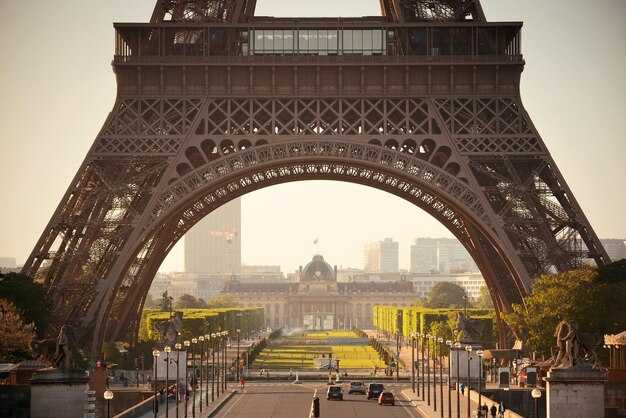
Safety is boosted by strong lighting, expanded CCTV coverage, and a visible police presence at major nodes and airports. 24/7 helplines, multilingual information desks, and clear emergency signage help align visitor preferences with real-time guidance. City authorities coordinate with national agencies to ensure fast assistance during peak travel months and events, so international travelers can stay confident in their plans. Expectations for Paris as a destination are supported by continued investments in safe, world-class environments that connect several destinations across the region and its markets; such strategies have a proven impact on visitor satisfaction, backed by источник WTTC research.
Seasonal pull and experiences: events, culture, and cuisine that sustain demand year-round
Adopt a Paris year‑round plan built on events, culture, and cuisine and offer a labonnement that locks in visits across months, further stabilizing demand beyond peak summer. In paris, authorities confirm that a steady calendar of différentes experiences in quartiers keeps visitors engaged, and a well‑timed plan helps markets stay vibrant even in low seasons. Visited venues show that targeted programming lifts occupancy and average length of stay across months, plus a plus of revenue resilience for operators, utilisant insights from sources.
Calendar, formats, and partnerships
Utilize a tight, multi‑channel calendar that combines markets, museum nights, and culinary weekends. In july, outdoor events and impressive dining experiences drive footfall, and the boom extends into étés with pop‑up markets and wine trails, avec collaborations among hotels, guides, and local producers. The plan relies on a labonnement to convert one‑time visitors into repeat guests, encouraging them to passez d’un quartier à l’autre to discover différentes neighbourhoods and experiences.
Measurement, forecast, and iteration
authorities-backed dashboard tracks occupancy percentage by month, visited counts, and the share of visits tied to initiatives. The forecast points to most months delivering steady demand, with third‑quarter programming continuing to push occupancy higher. Initiatives focus on bundled experiences–markets, cuisine tastings, and cultural shows–so Paris can outpace rivals and maintain a boom in both summer and the shoulder seasons. источник confirms these trends and guides adjustments.
Business-ready insights: recommendations for hotels, tour operators, and local services to capitalize on Paris’s lead
Offer overnight rail-linked packages that connect hotels to Olympic venues and major business districts, with flexible check-in and price incentives synchronized to event calendars.
Paris sees rising demand and increased inbound travel, and data from WTTC confirms a 36bn spend potential plus a billion-dollar opportunity for hotels and related services. Government initiatives bolstering the hospitality and events sectors strengthen the momentum, so craft a concrete plan before peak weeks of the games to capture momentum.
Hotels should optimize revenue by configuring modular room options, multilingual front desks, express check-in/out, and partnerships with rail hubs to streamline transfers and overnight stays. Invest in reliable Wi‑Fi, business facilities, and seamless luggage handling to keep corporate guests productive on site.
Tour operators pouvez propose multi-day Olympic-linked itineraries that connect iconic Paris districts with rail transfers and curated experiences for business travelers and families. Price bundles that raise average spend, align campaigns with data forecasts, and target plusieurs market segments to broaden reach while maintaining quality control.
Local services and government coordination matter: coordinate transit guidance, multilingual wayfinding, and 24/7 guest support at key hubs; deploy data-driven staffing to manage peaks; improve signage and accessibility to ensure smooth arrivals and departures during busy periods.
Invest in a city-wide information hub backed by a public-private funding plan, highlighting opportunities across sectors and offering real-time guidance for visitors. This approach mirrors scalable models in major markets and can generate billion-scale returns while reinforcing Paris’s iconic position as a leading destination year after year.
| Sector | Action | Key KPI | Partner examples |
|---|---|---|---|
| Hotels | Launch overnight rail-linked packages with flexible check-in and dynamic pricing aligned to Olympic events | Occupancy rate; ADR; RevPAR; guest satisfaction (CSAT) | |
| Tour operators | Develop multi-day Olympic-linked itineraries pairing iconic districts with rail transfers and curated experiences | Average booking value; total bookings per week; length of stay | |
| Local services | Coordinate with transit authorities and government initiatives to provide multilingual guest support and clear wayfinding | NPS; on-site service uptime; average wait time | |
| Government & partners | Offer streamlined transit guidance, data-sharing with private operators, and staff training funding | Processing times; user satisfaction; training completion rate |