
 Turkish
  English
  Russian
  French
  German
  Italian
  Spanish
  Japanese
  Chinese
  Arabic
  Portuguese
  Greek
Greek  Ukrainian
  Czech
Czech  Korean
  Paris'i Düşük Bütçeyle Ziyaret Edin – Fransa'da 10 Yıl Yaşamanın İpuçları">

Base yourself in a rural town within easy reach of Paris and travel by high-speed trains for day trips. Ten years in France show this approach saves lots and makes your budget stretch. Sleep well in simple, comfortable stays, and after a short ride you can walk into the morning markets and be at the louvre by late morning.
Shop at marchés for fresh bread, cheese, and plats, then cook at your place to save money. If you prefer dining out, choose a simple menu at a neighborhood bistro and avoid the tourist strip near central sights. This keeps nights affordable and helps you taste vins from nearby domaines, while you soak up locals’ rhythm and christmas markets when they appear.
There are lots of ways to cut costs on transport: buy a carnet of metro tickets, travel off-peak on regional trains, and consider bike rentals for short hops. With careful timing, you can visit museums when free or discounted days apply. When you plan, aim for early entries to the louvre to minimize queues and maximize time for a stroll along the river.
Book stays in chambres d’hôtes or apartment shares outside peak weekends to save money, and use host tips to find authentic bakeries and markets. This approach gives you lots of opportunities to taste local life–from a croissant treat at a corner bakery to a casual night out with locals. christmas fairs can pop up in winter, offering affordable gifts and a warm atmosphere.
Plan a weekend escape to marseille by high-speed TGV when you need a change of scenery; sleep in a budget hotel or guesthouse and explore the sea port and its markets. This kind of trip adds a unique angle to your Paris visit, expanding your itinerary beyond the city with everything you need to know about French life. It’s not about chasing every sight, but about choosing ways that fit your pace, with night strolls, cafés, and quiet mornings before crowds.
Where to stay in Paris on a budget: budget hotels, hostels, and apartment rentals
Choose a compact apartment in the 11th or 12th arrondissement for a week-long stay to balance price, space, and cooking options. A double room lets you rest after long walks, and a kitchen lets you cook bourguignon after a day of markets and bistros. Typical nightly ranges run 100–150 EUR in peak season and 70–110 EUR in shoulder months, giving you a very workable budget for a vacation in Paris.
Budget hotels and neighborhoods
Budget hotels cluster around major stations such as République, Bastille, and Gare du Nord. If you want easy access to central sights and the metro, aim for a place within a 15–20 minute walk of central stations to avoid taxi costs. Double rooms commonly cost 60–120 EUR per night when booked early, with lower prices in winter or mid-week stays. Choose neighborhoods near markets and bistros for authentic Paris life, like the 11th (Oberkampf), the 12th (near Bercy), or the 18th (Montmartre area). This keeps time on your side and ensures a comfortable, dream-worthy stay under Charles de Gaulle–Étoile or other central lines.
Hostels and apartment rentals

Hostels offer budget-friendly options for solo travelers and couples who want privacy. Private rooms start around 60–90 EUR, and dorms run 25–40 EUR. Look for hostels in the Latin Quarter, Canal Saint-Martin, and near Montmartre, where services such as kitchens, lockers, and organized activities help you plan walks and day trips. First-time visitors often prefer renting an apartment to feel like a local and make the stay unforgettable, especially when you can host a simple multi-course dinner after a day exploring the city.
Apartment rentals provide space for week-long vacations with a kitchen and a living area. Look in the 11th, 12th, 14th, or 18th arrondissements for good value, close to markets, bistros, and a metro station. Typical rates range from 90–180 EUR per night for a one-bedroom, depending on season and proximity toCharles de Gaulle–Étoile or other central nodes. Renting a flat enables you to unwind at home, enjoy a pre-dinner drink, and share classic Paris evenings with friends or your significant other.
| Option | Typical price (night) | Best for | Neighborhood tips |
|---|---|---|---|
| Budget hotels | 60–120 EUR | Solo travelers, couples | Near République, Bastille, Gare du Nord; good access to stations and markets |
| Hostels | Dorms 25–40 EUR; private rooms 60–90 EUR | Solo travelers, budget-conscious couples | Latin Quarter, Canal Saint-Martin, Montmartre; kitchens and activities available |
| Apartment rentals | 90–180 EUR | Week-long stays, families, couples | 11th, 12th, 14th, 18th arrondissements; markets, bistros, close to stations; near Charles de Gaulle–Étoile |
Transit on a budget: Navigo pass, carnet tickets, and bike sharing tips
Get a Navigo weekly pass if your stay is 4–6 days; it costs roughly €22–€23 and unlocks unlimited metro, RER, bus, and tram rides within your chosen zones for that week. Load it on a Navigo Easy card or via the Île-de-France Mobilités app for quick tap‑and‑go travel. If your dates include airport trips or visits to Orly, plan for zones 4–5 and verify coverage before you buy; these choices turn ordinary days into more affordable life on the road.
For shorter stays or if you mainly stick to central Paris, a carnet of 10 tickets works well: around €16.90 for the full set, roughly €1.69 per ride. You can use them on metro, buses, trams, and some RER lines within the city, and they’re handy for groups or family trips when you don’t need a full week of transit. Buy at any metro station booth or auto‑mats, and if you’re booking plans on sites like expedia, compare carnet combos with daily passes to keep money tidy across those dates.
Navigo: practical tips for dates, money, and plan
Choose Navigo if you’ll ride multiple times per day; the weekly option resets on Monday, which makes it easier to manage short and longer itineraries. Load the card before you turn to the metro life, and keep a spare card for guests or family members who’ll travel with you. If your route includes scenic spots in large villes or villages around Paris, zone planning matters–central spots stay cheaper with zones 1–2, while day trips require you to check which zones apply. In peak seasons, these options can save money versus buying single tickets for every ride, especially when you want to move between classic plats, cafés, and other spot‑hopping itineraries.
Bike sharing tips
Sign up for Vélib’ Métropole online or at a station, and start with short hops between nearby cafe breaks and scenic spots. Keep most rides under 30 minutes to avoid surcharges, and plan routes that end at another station to refresh the timer. This is ideal for day trips to nearby villages, weekend Riviera‑style strolls along riverbanks, or quick trips to guest rooms when you’re hosting family. The network covers major Parisian districts and suburban layovers, making it a flexible option for those who want to turn a long day into a sequence of small, manageable pieces. When you mix bike sharing with metro travel, you’ll discover a faster, greener way to explore the city without carrying large amounts of money or luggage; these cycles fit well with short, budget‑friendly itineraries and even stretch to Christmas markets or weekend village visits.
Bottom line: a Navigo weekly pass plus carnet tickets covers most needs, while Vélib’ adds a flexible layer for shorter hops without cluttering your plans. For a guest‑friendly, family‑oriented trip, these tools help you turn Paris into an affordable spot where you can sip coffee, savor classic plates, and keep your currencies in check–without sacrificing time or comfort. By balancing these options, you’ll save money, keep your route shorter, and still enjoy the full Paris life and its planet‑friendly choices.
Eating well without overspending: affordable bakeries, markets, and cafe hacks
Start with a dawn market check: by 8:30, grab a fresh baguette, a wedge of cheese, and seasonal fruit for a portable breakfast or lunch. This saves money and leaves room for a nicer dinner on another night. Between meals, you can snack on the items you bought, keeping your day flexible and flavorful.
Choose smaller, historic boulangeries rather than tourist spots; smaller shops tend to be more honest and usually they offer fresh pastries at lower prix. In french neighborhoods, you’ll taste quality without the crowds, and you’ll notice a quicker turnover of warm breads and croissants prepared on site. A quick pass along the counter helps you compare aromas and prices.
Hit market mornings such as Marché des Enfants Rouges or Marché d’Aligre, historic and smaller venues with open stalls for fruit, cheese, and ready-to-eat bites. A few stalls mirror Bordeaux-style charcuterie, adding a regional touch without increasing cost. In August and December, the market buzz grows; pass by stalls to compare prix and snag a bargain or deal. Especially in August, markets feel vibrant, yet the dining options stay approachable for everyone, including travelers. Travellers and everyone chasing good meals usually find options that fit a budget, even on intercity nights when you return from a day trip.
At cafés, choose the formule or plat du jour (prix fixe) for cheaper dining options. If you want something lighter, order a coffee and a pastry, or share a starter and a small salad to stretch your meal. Early seatings often offer more favorable prices, and you’ll avoid the late-night crowd that pushes dinner costs up. This approach helps you experience real French dining without breaking your budget, whether you’re a solo traveler or part of a group.
For the best results, plan a simple routine: market item, bakery snack, then a casual café stop. Check prices, compare deals, and keep track of what you spend–everyone benefits when the budget stays intact. Between a couple of days in Paris and occasional intercity trips, this rhythm saves money and keeps your meals tasty, fresh, and satisfying.
Shopping costs in France: budgeting groceries, clothing, and household goods
Shop weekly at budget supermarkets like Lidl or Aldi, and fill your basket with seasonal produce from local markets to cut groceries by 25–40% without sacrificing quality.
Grocery budgeting
In France, a single traveler cooking at accommodation could keep weekly groceries around 25–40€, while households tend to spend 60–100€ for two to three people. Staples run with baguettes at about 1–1.50€, a liter of milk 0.90–1.20€, and a dozen eggs 2–3€. Local cheeses vary, but many options sit around 3–6€ per 100 g in markets. Potatoes cost 1.20–2.50€ per kg and seasonal vegetables 1–3€ per kg. Plan breakfasts with bread, cheese, and fruit for 2–4€ per person. Markets tend to be busiest on Saturdays, so be there early for best picks. Look for store-brand lines or prems on some items to save noticeably, and consider buying in bulk when you’re filling a kitchen in your accommodation. If you’re visiting from other countries, you’ll find prices align with regional norms, which helps with budgeting into a travel plan.
Transport costs affect grocery runs too: a single metro ticket in Paris runs about 1.90€, with a carnet of 10 around 16.90€. This setup gives you flexibility to visit multiple markets or chain stores without breaking the budget, especially when you’re traveling with a plan to visit sights around the city’s busy districts. For travelers visiting Charles de Gaulle or Orly, factoring these transit costs into your shopping day makes meals more predictable and avoids impulse buys that spike your daily spend.
Clothing and household goods
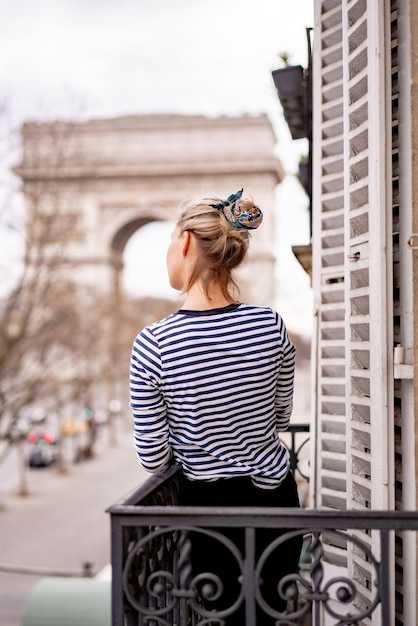
Clothing prices stay friendly if you shop smart: basic T‑shirts run 8–15€, jeans 25–60€, sneakers 40–90€, and a light winter jacket 60–150€. Socks and underwear stay under 10€ per item, with bigger discounts possible during soldes in January and July. Secondhand shops and flea markets (friperies and Puces) can drop prices even further, especially for jackets, scarves, and bedding. If you’re traveling with limited luggage, plan to refresh a few key pieces rather than full wardrobes in one trip.
For household goods, expect cookware sets to run 20–60€, basic pots/pans 15–40€, and dinnerware from 1–3€ per piece. Towels typically cost 6–20€, and bedding 20–50€. Cleaning products–multipurpose cleaners, laundry powder, and dish soap–range 2–6€ each, with toilet paper around 2–4€ for a 12-roll pack. If you rent an apartment, you’ll fill the space with necessities faster, but you can keep costs down by sticking to a starter kit of essentials (pots, pan, a few dishes, towels, and basic cleaning supplies) around 150–250€. Hotels and accommodations with kitchens let you cook, which is a better option than dining out for every meal on a long trip. Markets and local shops tend to fill the best value niches, especially when timing aligns with end-of-day stock clearance.
Free and low-cost activities in Paris: museums, parks, and self-guided walks
Plan a budget-friendly day: start with a stroll along saint-martin canal from République to the Marais, then visit the Petit Palais and Musée d’Art Moderne de Paris for free permanent collections, which lets you pack culture without overspending. This makes budgeting simple.
mid-june brings long days, right for outdoor spots and self-guided routes. Paris welcomes visitors from countries around the world, and you can keep meals culinary-worthy without excess spending; theyre simple, tasty, and portable for picnics. These ideas should be approachable for families, solo travelers, and students alike.
Here are concrete options to mix and match:
- Museums with free permanent collections
- Petit Palais: free permanent collections daily (city art from antiquity to early 20th century).
- Musée d’Art Moderne de Paris: free permanent collections; rotating contemporary shows available at low prices.
- Musée Carnavalet: free permanent displays on Paris history; check hours for any temporary closures.
- Musée de la Vie Romantique: small, charming, free permanent displays.
- Green spaces and outdoor spots
- Luxembourg Gardens: free to wander; consider the lawns for a picnic, or the statues for photo spots.
- Parc des Buttes-Chaumont: hills, a bridge, and a waterfall–great for a relaxed stroll without paying admission.
- Parc Montsouris: tranquil lake and shaded paths; free access all day.
- Parc de Belleville: city views, street art nearby, plus picnic corners.
- Canal saint-martin corridor: charming, less crowded than the Seine; stroller-friendly with cafés along the way.
- Self-guided walks (three routes)
- Saint-martin to Marais loop: start at République, walk the canal to the Marais, end at Hôtel de Ville; about 4 km with coffee stops along the way.
- Île de la Cité and Île Saint-Louis circuit: Pont Neuf, exterior of Notre-Dame, then a riverside stroll to Pont Marie; 3–4 km with plenty of photo opportunities.
- Montmartre heritage stroll: Sacré-Cœur, Place du Tertre, and the lanes of rue des Martyrs; 4–5 km with cute cafés for a rest.
- versailles and day-trip ideas
- versailles on a budget: take the RER C from central Paris (roughly 40 minutes). The gardens are free at certain hours for a scenic adventure; the palace interiors require tickets (~€20) if you want to enter inside.
- Tip: travel as a group or family to share costs; start early to beat crowds.
- Budget tips and extras
- Where to stay: hostels in the 10th, 11th, or 20th arrondissements offer affordable options; rentals can lower the cost for longer stays. If needed, you can stack savings across several nights to keep a full itinerary within budget.
- Getting around: a carnet of ten metro tickets or a weekly Navigo pass helps manage costs; rentals like Velib can be handy for shorter hops.
- Food strategy: grab a baguette, cheese, and fruit from markets for a picnic; culinary snacks from bakeries are cheap and satisfying. theyre easy to carry and avoid excess meals out.
- Other notes
- Watch for advertisement boards at stations or local tourism sites for current deals and tips; these can add value without paying extra for experiences. Bauertravel often highlights offbeat spots and pockets of city life to explore.
- Ailece seyahat ederken, çocuklar için açık alanları içeren esnek bir programı koruyun; tüm günü yürümek macera ve ekonomik dostu gibi hissettirir.
- Rahat ayakkabılar ve kolay hareket için hafif bir omuz çantası getirin; bir su şişesi, ek duraklara ihtiyaç duymadan daha uzun süre dışarıda kalmanıza yardımcı olur.
 Buy Prepaid Tourist SIM Card France – Paris | Travel SIMs">
 Historical Tours in France – Top Guided Trips Through Iconic Heritage">
 France Visitor Arrivals 2024 – Trends, Seasons, and Market Insights">
 Sustainable Travel in France – Discover a New Eco-Friendly Side">
 France’s Upgraded Tourism Strategy – Longer Stays and Luxury Experiences to Combat Overtourism Fears">
 Fransa'da Yemek Turları – En İyi Yemek ve Gastronomi Deneyimleri">
 Paris Bölgesi Havaalanı Alanları – Büyük Çağdaş Dönüşümlerin En Ön Sırasında">
 Fransa Turizm Gelirleri, Almanya, Amerika Birleşik Devletleri ve Japonya'dan Ziyaretçi Sayıları Artarken Artıyor">
 French ve Fransızca konuşan gurbetçiler ve yurt dışındaki şirketler için Sağlık Molaları ve Etkinlikler">
 Fransa Pazar Genel Bakışı – Yatırımcılar için Temel Trendler, Fırsatlar ve İçgörüler">