 English
  Russian
  French
  German
  Italian
  Spanish
  Japanese
  Chinese
  Arabic
  Portuguese
  Greek
Greek  Ukrainian
  Turkish
  Czech
Czech  Korean

Book an affordable, certified stay in morzine and reach the village by train or bus, not by car. If you’re looking to maximize impact, pair your lodging with short, local hops via public transport, and choose activities that minimize energy use.
National and regional policies nudge travelers toward slower travel and environmental stewardship. By choosing rail routes and regional buses, you enable lower emissions and steady access to ski areas, beaches, and wine routes, all while avoiding peak-car congestion.
Visit the official website of the tourism board to compare related lodging and transport options on an eco-table. Use the forms on the site to request certifications, check for Green Key or EU Ecolabel, and verify policies of individual properties. On local markets you may see oglasi for sustainable tours, which helps you plan with transparency.
In France, innovation in transport and accommodation lowers environmental impact. Think battery-powered shuttles, solar panels on chalets, and certified guides who use lighter, recyclable equipment. Check previous traveler reviews and forms of proof to ensure the operator enables a truly low-carbon experience.
Plan ahead with a concise, eco-focused checklist: map a route using rail segments, reserve-certified lodging, and balance active days with slower days. Use a dedicated website that publishes policies, related activities, and a public eco-table that compares emissions, price, and accessibility. This approach has been proven to save money while supporting environmental goals, especially in popular destinations like morzine.
Plan Rail-First Journeys Across France: Shortest, Fastest, and Cheapest Routes
Begin with a rail-first plan: use direct high-speed links from Paris to Lyon (about 2 hours) and Paris to Lille (roughly 1 hour) as anchors for a city-focused itinerary. This external rail-first approach ties coastal corridors with interior hubs, using a single means of travel that reduces airport time. Accommodations near major stations, owned by local owners, offer easy access; you can dine in city centers after a day on the rails. Focusing on early-booked fares from Ouigo or Intercités helps lock in affordable costs, with prices that often drop to 15–35€ for short hops.
Shortest routes: Paris–Lyon direct TGV runs about 2 hours; Paris–Lille direct ~1 hour; Paris–Bordeaux around 2h 0m on a direct service. At busy stations, signs point to portes and platforms, helping you move quickly between trains.
Fastest corridors rely on high-speed networks that minimize transfers. Direct links Paris–Lyon, Paris–Bordeaux, and Lyon–Nice on fast segments keep you in city centers, with typical durations around 2 hours for Paris–Lyon, 2h 4m for Paris–Bordeaux, and about 5h 30m to Nice when using the main Paris–Lyon–Marseille route. Awarded networks for reliability help you plan without delays.
Cheapest options: Ouigo and Intercités offer low fares when booked early. Paris–Lyon can start around 15–25€; Paris–Lille often 7–18€; Paris–Bordeaux about 20–40€. When planning, combine these hops to craft an affordable loop, and choose accommodations near stations for easy access. Consider coastal cities along the way, such as Bordeaux, to enjoy regional cuisines after a rail leg. Use multi-trip tickets or rail passes to lower per-leg costs.
Practical planning: Build a loop starting in Paris, then swing through coastal and city hubs along the Atlantic coast and into the southeast. Use accommodations near stations, with owners offering flexible check-ins to fit rail timings. Dine in local bistros after arrivals and savor markets near the center. Before you travel, check official timetables and platform updates to keep a smooth rhythm across multiple trains.
Cut the Carbon: Reaching French Destinations by Train or Bus Instead of Flying
Travel by train or bus for most trips; reserve flying for destinations beyond rail reach within a reasonable time. Rail travel can offer lower emissions and steadier schedules across France’s grand corridors, connecting hundreds of communes and preserving the identity of local communities, a unique facet of Europe’s tourism. This mode is a strong candidate for reducing climate impact.
In Europe, rail typically emits roughly 12–25 g CO2 per passenger-km, while short-haul flights push 150–250 g CO2 per passenger-km. A Paris–Lyon trip by TGV stays about 2 hours and produces roughly 6–8 kg CO2 per passenger, versus about 70–90 kg by plane when airport overhead is included. Similar contrasts apply for Paris–Nantes and Marseille–Nice, underscoring the power of route choices to cut emissions while maintaining a practical schedule.
France offers a dense set of routes along LGV high-speed lines and regional services. The TGV, OUIGO and Intercités provide reliable schedules to grand destinations, while TER networks and coach services close the gap to many communes in the countryside. They connect communities along several scenic corridors at multiple levels, supporting cultural and economic tourism.
For multi-day trips, combine a few rail legs with local hops by bus to explore cultural sites, markets, and landscapes. Vegetarian meals on trains and some buses reduce production emissions linked to meat supply, aligning with a sustainable model and supporting local food cultures. This approach strengthens identity and offers a unique way to experience Europe’s diversity.
Action steps: check routes from key hubs and design several connected legs that include smaller communes. Book in advance to secure the best fares and seats, and mix rail with regional buses to maximize options. The need to move a bit more slowly can yield richer experiences, while keeping traffic down and travel footprint small. Have a flexible plan and vegetarian snacks for the day to stay comfortable on the move.
Beyond personal benefits, this shift supports sustainable tourism growth by encouraging local producers and offering communities a platform for their cultural identity. It also creates opportunities for people who want to explore Europe while reducing the demand for air travel and its production footprint. The result is a measurable success in the transition toward low-carbon travel.
Find Green-Labeled Stays: How to Identify Eco-Conscious Hotels and Gîtes
Start with a practical move: choose stays carrying a recognized eco-label such as CLEF Verte (administered by ademe), EU Ecolabel, Green Key, or Green Globe. These awards come from credible bodies and provide an estimate of energy performance, water use, waste management, and local sourcing, offering a reliable basis for economical stays.
Compare two or three options by design, retrofit status, and efficiency features such as solar panels, insulation, and low-flow taps. Look for occupancy controls, LED lighting, and smart thermostats that cut energy use without sacrificing comfort. Focus on stays that use local materials and respond to the scale of your trip; this approach suits long-distance, global travelers alike, including the tourist.
In the French countryside, stays near vulcania offer engaging activities for families while keeping eco-credentials clear. Look for plant-based meals or meat-reduced options and confirm the menu is labeled as such. Growing demand in the sector drives hotels to partner with local producers and reduce waste across kitchens and dining spaces.
Cost planning matters: request a price estimate from the host, and compare two or three options using the same date range. Eco-labeled stays often offer predictable pricing, and the savings from energy efficiency can offset a modest premium. If you map a ticket for public transport, you lower your overall footprint and increase the chance of a sustainable, economical trip.
What labels cover and how to verify
Labels typically outline targets for energy and water use, waste sorting, and local sourcing. Ask the host for the current audit data and an energy certificate, and check whether the establishment reports on plant-based options. Numerous green stays in the gîtes category carry the CLEF Verte mark or EU Ecolabel, and some hotels earn awards; the label program protects biodiversity and supports the countryside economy. For a practical plan, map your route with public transport and nearby vulcania, then choose a stay within easy reach to keep the long-distance component economical and low-impact.
Eat Sustainably: Local Markets, Seasonal Menus, and Plant-Forward Options in France
Local Markets, Seasonal Sourcing, and Plant-Forward Dishes
Visit a dawn market in a French town and buy one seasonal item to prepare later; ask the stallholder about origin and farming methods, and choose produce from within the vallée or nearby farms. This decision is encouraging for small crafts and family farms, boosts revenue for the sector, and demonstrates responsibility in sourcing.
Chefs and restaurants should publish year-round seasonal menus, including plant-forward options based on legumes, grains, and vegetables harvested at peak. In off-season months, producers and kitchens collaborate to preserve flavors through drying, pickling, and greenhouse-grown varieties; this approach reduces plastic use and keeps costs reasonable for diners.
In the vallée region, many eateries celebrate french flavors while respecting biodiversity; choose plates featuring multiple species and seasonal herbs to celebrate landscapes. These choices join a nutrition-friendly approach with a lower carbon footprint and support staff who explain provenance and responsibility.
Practical tips for travelers: bring a reusable bag, avoid plastic wrap, and use a jar for sauces; youll hear educational talks at markets that explain harvest cycles and off-season adaptations. If you attend a local rugby match or community event, you can mingle with growers, crafts staff, and cooks–creating connections that have been developing for years and that keep revenue in the region.
The grand aims include reducing waste and plastics, expanding revenue for developing farms, and promoting year-round access to seasonal produce. youll discover how off-season practices and educational tastings help travelers understand responsibility in the sector as you join locals at markets, farms, and kitchens that celebrate landscapes and flavors.
Move Low-Impact in Cities: Public Transit, Cycling, and Walkable Neighborhoods
Buy a city transit pass and map a 45-minute loop that starts from your hotel or airbnb and finishes with a 20-minute stroll through a walkable neighborhood near markets or châteaux. Use transit for longer hops and walk or bike for short legs to minimize car use, supporting environmental goals while enjoying everyday life in the city.
Smart transit and cycling routines

- Public transit: choose lines that connect hotels and airbnb with parks, museums, and riverside promenades. Prefer routes with fewer transfers and predictable headways to keep trips smooth and light on energy use. This reduces traffic and pollution levels down the line, alongside enjoying a calmer city experience.
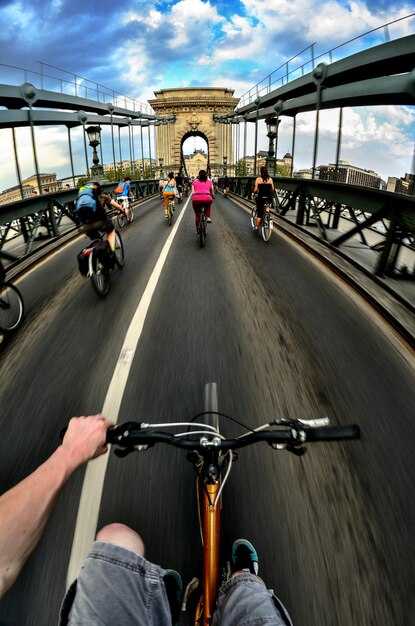
- Bike: rent a bike from a local scheme, carry a light lock, and plan 2–3 short rides daily that traverse flat routes or gentle hills alongside tree-lined boulevards. Bikes are a practical tool for reaching neighborhoods and countryside gateways without relying on cars. Midi-sized routes work well for a balance of effort and discovery.
- Walkable routes: pick districts with mixed-use streets, cafes, and small shops near historic sites such as nearby châteaux or hillside viewpoints. Walking lets you head into atmospheric corners, fostering a sense of discovery and closer contact with the environment.
Accommodation, staff, and community considerations
- Stay with eco-responsibility in mind: choose hotels or airbnb listings that emphasize energy-saving lighting, recycling programs, and bike storage. Ask staff about local transit tips and safe walking routes; staff can be a practical first tool for quick, reliable guidance.
- Preservation and related experiences: select experiences and routes that respect sensitive sites and natural areas. Enjoying responsible itineraries supports preservation and creation of authentic stories around countryside and urban life alike.
- Staff insight from local hubs like information desks (karlobageu can point you to lesser-known loops) helps tailor your plans to your head, ensuring you stay alert to weather, crowding, and safe paths while keeping your carbon footprint low.
- Community-friendly choices: prioritize stays that are within a short walk of transit stops and bike lanes, reducing the need to head down crowded corridors. This approach fosters a calmer pace and lets you experience daily life at a human scale.
- Supporting local economies: favor neighborhood shops and markets and choose accommodations that reinvest in the surrounding area. Your choices, along with environmentally sound transit, help maintain a healthy balance between countryside charm and urban vitality.
Reduce Waste on the Road: Packing, Refills, and Responsible Souvenir Choices
Start with a simple rule: pack a compact, reusable kit and fill your water bottle at every refill station to cut plastic waste from the start. A large stainless bottle (500–750 ml) fits in most daypacks, and two refill containers cover liquid soaps or shampoos. Choose naturel, plant-based products in solid form–soap bars and toothpaste tablets–to minimize packaging and keep toiletries light.
Pack smart with a single pouch for solids, a small microfiber towel, a reusable cutlery set, and a compact, leak-proof bottle for liquids. Bring enough to last 1–2 days between hotel refills, then restock at official refill points during posted hours. Use a cloth tote for purchases to avoid single-use bags; carry the same bag for all purchases to minimize waste.
Choose souvenirs that show authenticity and cultural significance. Favor items created by local community artisans or cooperatives–carvings, textiles, glassware, or marine-inspired crafts–that reflect the valley and coast. Avoid mass-produced trinkets with excessive wrapping. When you buy, ask for receipts or certificates that confirm fair transactions and responsible sourcing; supporting these makers strengthens the country’s cultural fabric.
Advocate for measures that reduce plastic everywhere you stay and visit. Encourage hosts to install refill dispensers, offer filtered water stations, and adopt waste-reduction policies. Encouraging local businesses to adopt these measures strengthens results. These steps improve the guest experience while aligning with environmental policies and the needs of coastal and rural regions alike. If you can, volunteer a few hours to local cleanups during your season to amplify impact.
Keep a packing checklist and estimate your waste before leaving a spot. For example, tally plastic sacks saved by using a tote, bottles refilled, and packaging avoided through solid products. Enjoy the experience while protecting nature; this conscious habit reduces trash across the country and leaves room for new memories in nature, near rivers and their valleys, while marine ecosystems stay healthier.