 English
  Russian
  French
  German
  Italian
  Spanish
  Japanese
  Chinese
  Arabic
  Portuguese
  Greek
Greek  Ukrainian
  Turkish
  Czech
Czech  Korean

Start with a basic plan: buy cards that cover admissions to several sites, then pick two museums and a couple of monuments. Say bonjour to staff at the first desk, keep a simple map, and visit with a calm pace to reduce queues and stress.
In Paris, crowds around popular monuments are the norm, so book early slots or aim for late openings. Begin in a compact area such as the Marais or Île de la Cité, where a short walk connects museums with cafés, bakeries, and shops. Where you pause for a butter croissant or a quick bite, the city draws a mix of locals and visitors, and life in many languages fills the street.
For a concise museum selection, start with a musée twice: the Louvre and Orsay can be frontloaded, then pair with a smaller gem like the musée de l’Orangerie or Centre Pompidou for a different mood. Consider a basic plan to keep walking times under 20 minutes between venues, and check opening hours in advance to avoid being taken by surprise.
Blend culture with daily life: tour a marché such as Marché d’Aligre, or explore a local area where boutiques, cheese shops, and a fromagerie invite long pauses. The selection of experiences, from a plein air stroll along the Seine to a doggy-friendly park, helps you have a richer sense of life in the city. Local vendors were happy to share recipes and tips about butter, croissants, and seasonal produce.
Finish with a light plan: end near a riverbank or a quiet square in the area around the Louvre, with a last coffee and a look at a museum card you used. This approach favors culturally immersive moments over crowded photo ops, and helps you become a person who has vivid memories from a very short Paris stay.
Cultural Tourism in Paris: Museums, Landmarks & Local Experiences; World Heritage in France
Bonjour, plan two days with timed entries: Louvre in the morning, Musée d’Orsay shortly after, then a leisurely walk along the Seine to Île de la Cité and Montmartre on Saturday. Book official tickets online, contact the venues for accessibility details, and keep a fresh plan on hand; that approach lets you see the core highlights without crowding.
Museums and Landmarks in Paris
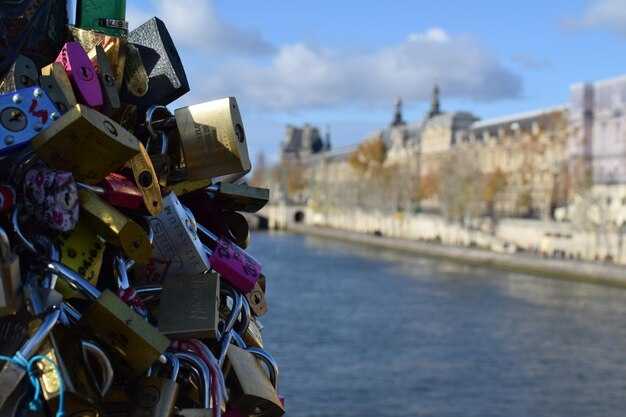
- Louvre Museum – reserve a timed entry, focus on the Mona Lisa, Winged Victory, and the trésor section; walk between rooms with a clear plan and take 2–3 hours. Listed as a global treasure, it pairs well with a Seine stroll and cafe tables outside for a quick break.
- Musée d’Orsay – concentrate on Impressionists and post-Impressionists; arrive early on a Saturday to avoid heavier lines, then cross the river for a riverside lunch in the Tuileries area.
- Centre Pompidou – explore modern and contemporary pieces; take the escalator for a top-down view of Paris’s grande villescape from the terrace in centre quartier; the building itself is a bold exemple of europe design.
- Sainte-Chapelle and Conciergerie – admire the stained glass and medieval architecture; pair the visit with a stroll along the Île de la Cité and a pastry break at a nearby café tables.
- Sacré-Cœur and Montmartre – soak up the village ambience, street portraits, and small galleries; plan a climb to the dome for Montmartre’s panorama, then descend to the cobblestones and local eateries.
- Palais Garnier and nearby opera spaces – notice the opulent interiors and the doggy-friendly courtyards outside; end with a light dinner in the Opéra district and a short stroll to the banks of the river.
World Heritage in France
Paris, Banks of the Seine is UNESCO-listed (listed) and invites guided walks that connect major bridges, bookshops, and quays; consider a sunset cruise to see the city’s most famous façades from the water. A weekend can include a visit to the Palace of Versailles (UNESCO-listed) for its vast salons and gardens, with fountain shows on select days; plan at least 4–5 hours to cover both interiors and grounds. For a contrasting experience, take a high-speed train to Avignon to walk the ramparts and visit the Palais des Papes, a cité historique featured in many proposés about medieval Europe. If you want a broader panorama, jump to a day trip that ties a Mont or Mont-Saint-Michel excursion into your Europe itinerary, but keep Vosges travel time in mind. Quant to logistics, reserve in advance and confirm meeting times with the guide or contact desk; invite local guides to tailor routes that match your envie for fresh traditions and more intimate moments. richards recommends starting with a gentle stroll along the Seine, then stepping into a museum that aligns with your pace and interests, ensuring you respect local rules and quiet hours.
How to choose Paris museums by interest and time
Choose a museum that matches your interest and plan a fixed block of time, usually 90–120 minutes, to avoid rush. When you arrive, bonjour staff and ask for the official map to guide your visit. This planning helps you focus on your purposes and find the heart of the lédifice, where the effet of light on vitraux enhances the space.
For clear choices by interest, target area-specific highlights: Louvre for classical painting, Musée d’Orsay for impressionism, Centre Pompidou for modern art, and the Musée des Arts Décoratifs for design. Planning should allocate least 2 hours for major sites: Louvre highlights often require 2–3 hours, Orsay around 2 hours, Pompidou about 1.5–2 hours. Usually, you can pair two nearby venues to maximize experiences and keep transit simple. Textile lovers will spot plait patterns in historical fabrics, and some displays use vitraux-inspired light effects that amplify the space in lédifice spaces found nearby. France offers a wide range of vibes, so choose according to your nature and purposes, and let the management of crowds guide your pace.
To optimize time, map two or three museums within the same area; Right Bank clusters around the Louvre and Marais, while the Pompidou is a short stroll from lively squares. When you finish, consider a quick walk to a nearby café and a view from the tower at Montparnasse for a sunset. This approach helps you balance peak hours with quieter corners and reduces the gulf between intense viewing and downtime, so you have more room to live the moment and absorb what you found.
Always check the official schedules and book timed tickets to visit at least the highlights. For multiple sites, plan rest periods and meals around the rhythm of Paris. Spoken guides can enrich the experience, and bonjour at the start of the day sets a friendly tone that mirrors Parisian hospitality. If you live in France or travel through Paris often, this planning becomes a practical rule to manage future visits, ensuring you have meaningful experiences and a clear sense of home base within a city that constantly offers new discoveries.
Smart planning for Paris landmarks: routes, timings and crowds
Book a 9:00 timed-entry for the Louvre and head straight to the Denon Wing; the historical palais opens with manageable queues, and you reach the Mona Lisa, an icon of world art, before crowds peak. These early hours also let you see the most visited rooms with less waiting, while the park-like surroundings let you breathe. Keep a lightweight map, and set a basic route for the day–durant your visit, this calm start saves energy for what follows across the city, france.
The city rewards a simple, well-paced plan. Start with timely entries, stay focused on a few core sites, and use the river crossings to switch moods–from grand interiors to timeless outdoor spaces. These tactics reduce peak-time waiting and let you enjoy the green nature of Parisian parks between galleries. Most crowds gravitate to major monuments around mid‑day; the least crowded windows occur right at opening and again toward the late afternoon.
Two efficient routes for a well-paced day
Route A – Classic core: Louvre (about 2 hours, 9:00–11:00) followed by a 30‑minute stroll through the Tuileries Park for a breath of nature. A short Metro ride brings you to Musée d’Orsay (about 1.5 hours, 13:00–14:30), where impressionist highlights sit near the river. Cross to Île de la Cité for Sainte-Chapelle (about 45 minutes)–a trésor of medieval glass–and then wander toward the nearby palais and the elegant façades along the Seine. End with a sunset view from Pont Neuf or a café near the Palais Royal, where timeless city scenes feel present in every stair and arc. This route draws many visitors but spreads them over distinct windows, keeping the pace comfortable and the lines at popular spots reasonable.
Route B – Hidden corners and calmer parks: Begin at Centre Pompidou for a morning focus on creative, modern lines (about 1.5 hours). Stroll through Le Marais to Place des Vosges, then loop to the Luxembourg Gardens for a restorative hour among lawns and fountains. Near the Latin Quarter, the university vibe around the Sorbonne delivers a different energy; notice château façades and the palais textures that give the quartier its historic depth. For lunch, seek Méditerranée-inspired cafés and bakeries–these stops provide refreshing contrasts to museum interiors. Conclude with a peaceful canal or garden path; this route concentrates on diverse quartiers and offers a gentler rhythm for a day when you want to feel the city’s diffé rentes moods rather than chase crowds.
Whichever route you choose, aim to visit the most popular sites at least an hour before the peak crowds. If you must skip a landmark, prioritize its exterior views–the façades, the setting by the park, the way the light changes over the stone. For busy spots, the least wait times hover right at opening or just before closing; if you plan to see interiors, combine a morning sequence with a late-afternoon stroll along the river for fresh perspectives. This approach helps you balance the city’s weighty history with lighter, creative pauses that enrich your courses in culture without fatigue.
To maximize your day, keep these essentials in mind: use the Metro to cover longer gaps, reserve tickets online, and allow time for small pockets of pause in a park or café. Your route should reflect a love of timeless scenes and a respect for the city’s many layers–from ancient gilded ceilings to modern glass and stone. For a truly memorable experience, mix in a short, local course or guided stroll that highlights diff érentes neighborhoods, their palaces and their château façades, and you’ll leave with a sense of the city as both a historical archive and a living, creative space. Please note that crowds shift with weather and seasons; a flexible plan with built‑in buffers keeps your day smooth and enjoyable for your Paris adventure, durant which you discover not just sites to visit, but places to linger.
Rediscover Paris through local experiences: neighborhoods, markets and cafés
Start your Paris visit with a culture-based stroll that helps you apprendre from locals and see how daily looks between grands façades and quiet courtyards. Enter intimate cafés and markets; find calme corners above busy streets, and follow word-of-mouth tips that lead you from monument to tower, each experience adding a new word to your stay.
From the first step, you’ll hear a rhythm that avoids the usual tourist routes: conversations at market stalls, the hiss of espresso, and a Bellini sipped on a sunlit terrace. This contact is the means to feel the city’s pulse and to carry it with you long after you visit again.
Neighborhoods that breathe local life

- Marais: narrow lanes, sunlit courtyards, and fashion boutiques that blend heritage with contemporary design; grands façades line the streets, and you can enter hidden passages dans the 3rd and 4th arrondissements to glimpse how life looks as the day shifts; the area feels calme in the morning but buzzes by 11:00.
- Canal Saint-Martin: iron footbridges, boaters, and lovers strolling along the water; the bridges offer imprenable views and you can pause on the quai to watch the light play above the water; you’ll hear vendors call out and see cafés pour coffee between the locks, with pied along the bank.
- Belleville–Oberkampf corridor: street art, markets, and cafés that keep culture-based energy flowing between generations; contact between communities feels lively, inviting visitors who are curious without being intrusive.
Markets & cafés: taste the city like a local
- Marché d’Aligre (12th arrondissement): open from early morning to about 13:30; stalls offer fruit, vegetables, cheese, charcuterie and seafood; please arrive before 11:00 for best bread and friendlier vendors; locals share word of the week on the fromage of the day.
- Marché des Enfants Rouges (3rd arrondissement): open roughly 08:30–14:30; Europe’s oldest covered market, with multicultural stalls offering ready-to-eat bites; dernière édition of the week often features a new pop-up cuisine–perfect for a quick lunch and a coffee nearby.
- Cafés to linger: Café Charlot in the Marais and Fragments along Canal Saint-Martin; order a Bellini or a simple espresso, and let the following conversations decide your next stop.
Finish with a view from Montparnasse Tower to place your stroll in a wider frame above the rooftops. The walk–from markets to monuments–becomes imprenable when you share a calm moment with locals and remember that every minute on the street can be a word in your Paris story. Please visit with respectful curiosity, and let the city attract you to its next stop, whether you’re a first-time visitor or a lovers of Paris life.
Ticketing tactics: passes, reservations and skipping lines
Get the Paris Museum Pass if you plan to visit 3+ sites over 2–4 days; it saves time and lets you explore the heart of the city without constant queues. It also helps you leave lines behind, freeing more time to observe lives in the streets, explore galleries, and enjoy café culture.
When you map your days, open the official sites and review the menu of options. Prices typically range in the teens to the low twenties per site, while a multi-site pass can offer real savings if you plan to visit several venues in a short window. Much of the value depends on your plan: if you only visit two places, individual tickets may be cheaper.
Earlier generations of travellers were used to long waits; now reservations and timed entries are common. You should book slots in advance for major monuments, especially in peak season. The Louvre, Orsay, Centre Pompidou, Sainte-Chapelle and other favorites often require a timed entry, and the internet page donne clear timings for available slots. Some venues are classé monuments and enforce strict access rules, so check the site before you go, and leave nothing to chance. When things open, you can secure a smoother visit.
For a balanced day, if you have envie for a château experience, plan a day that blends a museum visit with a château close by. Château experiences can slow the pace in a good way, letting you enjoy spacious espace with fewer crowds before returning to the city center. In the south, a quick trip toward the countryside or a day trip to Carcassonne can complement city lights, but plan rail timing in advance to avoid a rushed return. Bellini’s works may guide your museum choices, so align your visit with current exhibitions and avoid gaps in the schedule. If you travel with Americans or university groups, use internet bookings to keep the group on track and enjoy access to popular sites without delays.
How to choose your option
| Option | Access | Reservations | Cost range | Best for |
|---|---|---|---|---|
| Paris Museum Pass (2–4 days) | Access to 50+ museums and monuments; includes many central sites | Typically not required for most sites, but some venues may need timed entries | Approximately €60–€100 depending on duration | Visitors planning 3–5 venues in a compact window |
| Site-specific reservations (Louvre, Orsay, Pompidou, Sainte-Chapelle) | Individual venues with curated collections | Required or strongly recommended; slots fill quickly in peak season | €10–€25 per venue (varies by site) | Precise planning and flexibility on day-by-day basis |
| Eiffel Tower timed-entry | Tower access and views | Required; select a fixed time window | €15–€39 depending on option and view | Iconic panorama; aligns with sunset or Seine cruise |
| Skip-the-line guided tours | Monuments or neighborhoods | Reserved for specific departure times | €40–€120 | Queue-free, narrated context for a shorter visit |
Final tips for saving time
Book early, especially on weekends and holidays. Use a mix of passes and reservations to keep a flexible pace; this approach gives you much value without sacrificing quality. Open your plans to a few flexible days so you can adapt to openings and exhibitions. Leave congested hours for lighter venues and use the internet to confirm live slots, as timing can change with seasons. If a day feels too rushed, pause at a café, breathe, and explore the heart of the city at a slower pace–your memories will live longer than a rushed visit.
World Heritage in France: traveler-focused context and planning near Paris
Choose a compact UNESCO circuit near Paris: Versailles Palace, Chartres Cathedral, and Provins to maximize history, architecture, and the local pace. Among those destinations, each offers a distinct flavor: the opulence of royal France, a médiévale panorama, and a preserved town atmosphere that invites exploring on foot.
Versailles stands for French elegance and technical mastery in landscape design. The palace began in 1661 under Louis XIV and grew into a symbol of royal power. Tour the Hall of Mirrors, stroll the Grand Parc, and catch fountain shows in spring and summer when the gardens open wide. Pair the visit with lunch at a nearby restaurant and a stroll along the Grand Canal; this combination highlights the open spaces, elegant furnishings, and a sense of ceremony that linger in those rooms. For a local touch, davignon notes that timing matters to avoid crowds and to savor the gardens at golden hour.
Chartres Cathedral is a historical Gothic masterpiece with luminous windows that tell stories from the 12th to 13th centuries (siècles); the adjacent old town offers homes and shops in timber-framed styles and a pedestrian-friendly atmosphere ideal for a relaxed exploring session. If you want a compact day, combine Chartres with a riverside lunch at a traditional restaurant and a menu featuring regional ingredients.
Provins preserves a dynamic médiévale fabric: ramparts, towers, vaulted halls, and lively street markets. The town’s concentric layout invites a walkable circuit, and its UNESCO status reflects centuries of trade and defense in this region. To fit Provins into a Paris base, plan a morning or afternoon visit by train and leave time for a coffee break at a café before returning. Those details help you soak in the ambience without rushing the experience.
To add a modern counterpoint, include a stop at louvre-lens for open exhibitions and a different lens on French art. After the classics, explore nearby restaurants and shops, then enjoy a panorama across fields and old town rooftops. When planning, check opening hours, book timed entries where possible, and please consider a balanced pace that keeps you energized for the next discovery.
Seasonal planning for cultural events: exhibitions, concerts and festivals
Begin with a simple, concrete rule: map six to eight weeks of anchor programming each season and align exhibitions, concerts and festivals to Paris’ public rhythms. This means coordinating museum openings, gallery nights, and major city dates so guests can move from one experience to another without rushing. The goal is a cohesive flow that links venues, cafes and stores into a single narrative.
Exhibitions should run in two waves–spring and autumn–matched with talks and workshops. Tie each show to a clear siècles and civilisation theme, using gothic cues in Saint-Nazaire-inspired spaces or nearby châteaux to deepen the atmosphere. Pair labels with compact cards visitors can carry, and connect with a store that sells related prints. Create cross-pollinated routes where guests stroll from a gallery to restaurants and produce markets, so they discover the place and leave with a sense of wealth and memory. Offer season cards that grant access to several venues and experiences to engage the public more deeply.
Concerts should anchor the evenings, with two blocks per week during peak periods and one matinee when possible. Prioritize venues with strong acoustics and contexts that respect the Gothic atmosphere of historic spaces near the river. Build a two-track lineup: chamber music and contemporary programs, plus occasional world music to draw tourist crowds. A compact, well‑coordinated program can be watched on a nearby screen for those who cannot attend in person. Publish a concise calendar with a bilingual program and offer restaurant packages to extend the evening and keep them on site after the show.
Festivals extend reach into streets, courtyards and squares, offering things to discover (découvrir) for all ages. Design neighbourhood mini‑festivals that highlight local restaurants, produce and crafts; align them with châteaux tours or siècles-themed heritage routes. These events draw public attention and attract guests, reinforcing the city’s civilisation and wealth. A thoughtful sequence of pop‑ups and slow‑food corners keeps the public engaged rather than rushed.
Logistics and partnerships are actionable levers. Build collaborations with restaurants and stores that can bundle tickets with meals or artisan products; publish cards and leaflets in bilingual formats; monitor attendance, dwell time and average spend to prove value to sponsors. Use a Saint-Nazaire‑style intimate venue for talks that complement large shows and create a place for conversation after the performance.
When planning, use a practical checklist: map core routes that draws both public and tourist crowds; limit each block to two or three venues to avoid fatigue; keep a strong throughline that connects exhibitions, concerts and festivals. pourrez adjust the pacing based on feedback to maintain a well‑paced flow. Provide a simple store of souvenirs and print programs, so guests can take home a reminder of civilisation and the things they discovered. If you announce events with careful timing, you can watch attendance grow and keep experiences well‑paced rather than rushed.