
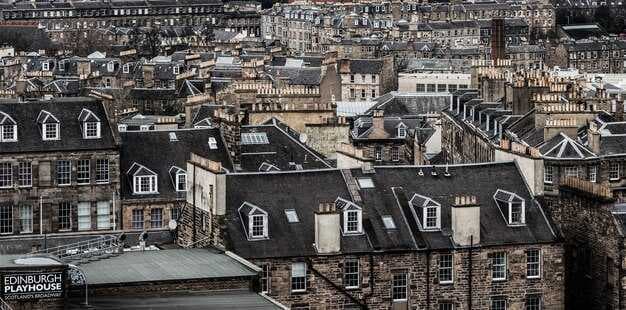
Edinburgh rewards visitors who choose their base carefully. The city divides naturally into distinct neighbourhoods, each with its own character, price range, and proximity to the attractions that matter most. Whether you want to wake up within sight of the castle, stroll to Michelin-starred restaurants on your doorstep, or retreat to a quiet village enclave just minutes from the centre, Edinburgh delivers all of these options within a compact, walkable geography.
Scotland's capital covers roughly 100 square miles in total, but the areas most useful to visitors are clustered within a three-mile radius. That compactness is one of Edinburgh's great advantages: you can stay in the leafy residential neighbourhood of Stockbridge and still reach the Royal Mile on foot in under twenty minutes. You can base yourself in Leith, two miles north of the Old Town, and be at Waverley Station in twelve minutes by tram or fifteen by bus.
This guide covers five neighbourhoods in detail — Old Town, New Town, Leith, Stockbridge, and Grassmarket — with specific advice on what each area is best suited for, realistic price expectations, and practical tips on transport, timing, and booking strategy. The goal is to help you make a confident decision before you arrive, rather than discovering on day two that you should have stayed somewhere else.
Edinburgh's peak season runs from late July through late August, coinciding with the Edinburgh Festival Fringe, the largest arts festival in the world, and the Edinburgh International Festival. During this period, accommodation prices can double or triple, and availability across all five neighbourhoods tightens significantly. If you are visiting in August, book at least three months in advance. For every other month, six to eight weeks ahead is usually sufficient, though shoulder-season deals in November and January can be substantial.
Edinburgh Stay Guide: 5 Practical Areas to Base Your Trip
Each of the five areas below suits a different travel style. Old Town is the obvious choice for first-time visitors who want landmarks on their doorstep. New Town suits those who prefer quieter streets and Georgian elegance with excellent restaurant access. Leith appeals to travellers seeking waterfront atmosphere and genuine local life away from tourist crowds. Stockbridge offers a village feeling with boutique shopping and the Water of Leith pathway. Grassmarket combines a central position with lively evening atmosphere and some of the most affordable accommodation within walking distance of the castle.
Old Town sits on the volcanic ridge that runs from Edinburgh Castle down to the Palace of Holyroodhouse, with the Royal Mile as its spine. The neighbourhood's medieval street plan — a dense cluster of narrow closes, tenements, and courtyards running off the main road — makes it unlike any other district in Britain. Staying here puts you within a five-minute walk of the castle esplanade, St Giles' Cathedral, the Scottish Parliament, and dozens of museums and galleries. Waverley Station sits at the foot of the ridge, making train connections to Glasgow, London, and the Highlands straightforward.
Accommodation in the Old Town ranges from budget hostels with private rooms priced from around £35 per night to boutique hotels in converted historic buildings charging upwards of £200 per night in peak season. The Grassmarket area, which sits below the castle's south face, offers a particularly dense concentration of guesthouses and small hotels within a compact area. Many properties in the Old Town occupy buildings constructed in the sixteenth and seventeenth centuries, which creates an atmospheric setting but can mean narrower corridors, steep internal stairs, and limited parking. If mobility is a concern, confirm lift access before booking.
New Town was built between 1765 and 1850 as Edinburgh expanded beyond its medieval walls, and its Georgian grid of wide streets, formal gardens, and neoclassical terraces remains one of the finest examples of planned urban design in Europe. The neighbourhood received UNESCO World Heritage status jointly with the Old Town in 1995. Staying here gives you an experience that feels distinctly different from the castle ridge: quieter, more residential, with a strong concentration of independent restaurants, wine bars, and design-forward shops along Thistle Street and William Street.
Hotels in the New Town tend to occupy Georgian townhouses converted into boutique properties, typically offering between eight and thirty rooms. Prices run from around £90 per night for a standard double in low season to £250 or more during August. The neighbourhood is particularly well suited to visitors staying three nights or longer, because the streets reward slow exploration in a way that rewards a longer stay. Princes Street and its department stores mark the southern boundary of the New Town, with the Scottish National Gallery and the Waverley Steps both reachable in under ten minutes on foot from most New Town properties.
Leith functions as Edinburgh's port district, two miles north of the Old Town along Leith Walk and the tram line. The neighbourhood has undergone significant regeneration since the 1990s, transforming disused warehouses and dock buildings into restaurants, galleries, and apartments. The Shore, a cobbled street running along the Water of Leith as it approaches the Firth of Forth, now hosts some of the city's most respected restaurants, including the Michelin-starred The Kitchin, which has held its star since 2006. The Royal Yacht Britannia, decommissioned in 1997 and now permanently moored at Ocean Terminal, draws around 350,000 visitors annually and is the neighbourhood's most significant tourist attraction.
Accommodation in Leith skews toward self-catering apartments and modern aparthotels, reflecting the neighbourhood's character as a place where people actually live rather than a tourist enclave. Nightly rates for a well-equipped one-bedroom apartment typically run from £80 to £150 depending on season, which represents good value compared to hotel rates in the Old Town. The tram line from York Place in the New Town to Edinburgh Airport passes through Leith, making the neighbourhood convenient for early morning departures or late arrivals.
Stockbridge occupies a shallow valley formed by the Water of Leith, about a mile northwest of the city centre. The neighbourhood has a distinctly village atmosphere despite its proximity to the centre, with an independent high street centred on Raeburn Place, a Sunday farmers' market that has operated since 2000, and the Royal Botanic Garden immediately to the north. Stockbridge is consistently rated among Edinburgh's most desirable residential neighbourhoods, and this character comes through in its accommodation options: primarily small boutique hotels, B&Bs, and self-catering properties rather than large chain hotels.
The Water of Leith Walkway passes directly through Stockbridge, offering a traffic-free route into the city centre and out toward Leith in the other direction. The full walkway runs 12 miles from Balerno in the Pentland Hills to the Firth of Forth, but the Stockbridge-to-city-centre section is particularly pleasant for a morning walk. Prices for accommodation in Stockbridge generally run slightly lower than comparable properties in the New Town, making it a good choice for visitors who want a quieter base without sacrificing access to the centre.
Haymarket and the West End occupy the area west of Princes Street, centred on Haymarket Station. This is Edinburgh's second major rail hub after Waverley, with direct services to Glasgow Queen Street every fifteen minutes during peak hours and connections to the west of Scotland. The neighbourhood is primarily residential and commercial, with a lower concentration of tourist attractions than the other areas in this guide, but its transport connections make it practical for visitors planning day trips or arriving from Glasgow. Hotel rates here tend to run ten to twenty percent below equivalent properties closer to the centre.
Where to Stay in the New Town
The New Town's best accommodation is concentrated in two main zones: the eastern end around St Andrew Square and York Place, and the central section along Queen Street and Heriot Row. Properties in the eastern zone benefit from proximity to the St James Quarter, a major retail and hotel development that opened in 2021 and includes a Voco hotel with rooftop views across the Firth of Forth. Properties in the central and western sections of the New Town offer quieter surroundings and easier access to the independent restaurants of Thistle Street and the antique dealers of Dundas Street.
For visitors prioritising access to both the Old Town and the New Town's own attractions, a property near the eastern end of Queen Street or on a side street off St Andrew Square is the practical choice. You can reach the top of the Royal Mile in around fifteen minutes on foot via the North Bridge, and Princes Street's shops and the Scottish National Gallery are within a five-minute walk in the other direction.
Georgian architecture dominates the New Town's streetscape, which means most hotel buildings were constructed in the late eighteenth or early nineteenth century. This heritage brings visual grandeur — high ceilings, large sash windows, and elegant proportions — along with practical limitations such as limited natural soundproofing and restricted parking. Most New Town hotels advise guests to use the nearby multistorey car parks on Castle Terrace or at the St James Quarter rather than attempting to park on the street.
Breakfast quality in New Town boutique hotels is generally high, with several properties sourcing produce from Scottish suppliers and offering full Scottish breakfast options including Stornoway black pudding, Ayrshire bacon, and Dunlop cheddar alongside continental choices. If you are self-catering or skipping hotel breakfast, the New Town has a strong independent coffee shop scene: Cairngorm Coffee on Frederick Street and Williams & Johnson on Circus Lane are both well-regarded by local residents.
For evening dining within walking distance of New Town accommodation, the restaurants along Thistle Street and William Street are worth exploring in advance. Timberyard on Lady Lawson Street, which consistently receives strong reviews for its Nordic-influenced Scottish cooking, is around fifteen minutes on foot from most New Town hotels. Bookings for popular restaurants in Edinburgh often fill weeks ahead during August, so advance reservation is advisable for any high-demand venue.
Old Town: Proximity to Royal Mile, Landmarks, and Family Options
Choosing a base in the Old Town makes the most sense for visitors on shorter trips — two or three nights — who want to spend the maximum proportion of their time at the city's principal landmarks without losing time to transport. The Royal Mile runs approximately one mile from the castle esplanade down to the Palace of Holyroodhouse, and the majority of the Old Town's major attractions lie within a few hundred metres of this axis. St Giles' Cathedral, the Edinburgh Museum on the Lawnmarket, the Real Mary King's Close underground tour, Greyfriars Kirkyard, and the National Museum of Scotland on Chambers Street are all within a fifteen-minute walk of any Old Town accommodation.
Edinburgh Castle itself receives around 1.5 million visitors per year, making it Scotland's most visited paid attraction. Tickets cost £21.50 for adults as of 2024, and queues at the entrance gatehouse can extend to thirty minutes on busy summer days. Staying in the Old Town allows you to arrive early and beat the main crowds, particularly if you can reach the esplanade before 9:30am when tour groups begin to arrive.
- Proximity to Royal Mile and landmarks: Most Old Town properties are within a five-to-ten minute walk of the castle, St Giles' Cathedral, Holyrood Palace, and the Dynamic Earth science centre. The National Museum of Scotland on Chambers Street is free to enter and contains the Dolly the sheep exhibit alongside extensive Scottish history collections.
- Family suitability: Several Old Town hotels offer family rooms sleeping four, and the neighbourhood's compact geography makes it practical for families with young children who need to return to the hotel for rest breaks. The Museum of Childhood on the Royal Mile is free entry and particularly popular with younger visitors.
- First-time visitors: The Old Town's grid of lanes and closes is easy to navigate on foot, and the concentration of visitor information points, guided tour departure spots, and walking tour companies makes orientation straightforward on arrival.
- Architecture enthusiasts: The tenement buildings lining the closes off the Royal Mile date from the sixteenth through eighteenth centuries and represent a uniquely Scottish form of urban housing. Many of these buildings are accessible to the public through tours offered by Historic Environment Scotland.
- Evening atmosphere: The Grassmarket, at the southern base of the castle rock, has a dense concentration of pubs and bars that create a lively evening atmosphere, particularly on weekend nights. If you prefer quieter evenings, look for properties on the upper sections of the Royal Mile or on the Canongate, which tends to be calmer after 10pm.
- Grassmarket-area guesthouses: A cluster of independently run guesthouses in the streets immediately around Grassmarket offers characterful rooms in historic buildings, typically at prices from £70 to £130 per night. The best of these have been operating for decades and have accumulated detailed local knowledge that chain hotels cannot replicate.
- Boutique hotels on the Lawnmarket: The upper section of the Royal Mile has seen several conversions of historic buildings into boutique hotels over the past fifteen years. These properties combine original architectural features — stone vaulting, timber beams — with modern bathrooms and reliable broadband, and they typically charge from £150 to £280 per night.
- Guesthouses near the Canongate: The lower section of the Royal Mile, near the Scottish Parliament and Holyrood Palace, has a quieter atmosphere than the central sections and several well-regarded guesthouses offering competitive rates. This location is particularly convenient for visits to Holyrood Park and Arthur's Seat.
Day trips from an Old Town base are straightforward. Linlithgow Palace, a ruined royal residence associated with Mary Queen of Scots, is thirty minutes by train from Waverley Station. Stirling Castle, which rivals Edinburgh in historical significance and offers better value for money at lower ticket prices, is fifty-five minutes by train. For a longer day out, the East Neuk fishing villages of Fife — Crail, Anstruther, and St Monans — are reachable by a combination of train to Leuchars and bus, with the journey taking around ninety minutes each way. Travellers extending their UK trip south often find it useful to research where to stay in London for first-time visitors, where similar considerations of neighbourhood character and proximity to landmarks apply.
Leith: Waterfront Stays, Value, and Easy Transport Access
Leith's transformation from a declining industrial port to one of Edinburgh's most desirable dining and living destinations has been one of the more striking urban changes in Scotland over the past three decades. The neighbourhood's conversion has been led by independent restaurants and bars rather than large-scale retail development, which gives it a more authentic character than many regenerated waterfront areas in British cities.
The Shore, the main focus of Leith's restaurant scene, runs for about half a mile along the Water of Leith between Henderson Street and the docks. Along this stretch you will find The Kitchin, Martin Wishart, and several other restaurants that have accumulated serious critical attention, alongside more casual spots serving craft beer, Scottish seafood, and international cuisines. The concentration of quality dining within walking distance makes Leith a strong choice for visitors who prioritise food as a significant part of their travel experience.
The Royal Yacht Britannia is moored at Ocean Terminal, a ten-minute walk from most Leith accommodation. The ship served as the British Royal Family's official yacht from 1954 until decommissioning in 1997 and is now a museum open to visitors year-round. Adult tickets are currently priced at £21 and the tour, which covers five decks including the royal apartments, engine room, and crew quarters, typically takes between ninety minutes and two hours. Advance booking is recommended during summer months.
The Edinburgh Tram line connects Leith to the city centre and Edinburgh Airport. The tram takes approximately twelve minutes from Newhaven station — the closest stop to most Leith accommodation — to York Place at the edge of the New Town, making city-centre access quick and straightforward. Journey time to Edinburgh Airport from Newhaven is around twenty-five minutes, which makes Leith a practical choice for early departures. The tram operates from around 6am to midnight daily.
Self-catering apartments in Leith represent particularly good value for families or groups of two to four people. A well-equipped two-bedroom apartment within walking distance of the Shore typically costs between £120 and £180 per night, which compares favourably with the cost of two separate hotel rooms in the Old Town. Many Leith apartments were converted from Victorian warehouses and dock buildings and offer generous ceiling heights and industrial architectural details that make them more characterful than standard hotel accommodation.
December visits to Leith can offer attractive value, as the neighbourhood attracts fewer tourists than in summer and rates drop significantly outside weekends. The Edinburgh Christmas market, located in Princes Street Gardens in the city centre, is easily reachable by tram and draws large crowds through November and December. Visitors with an interest in Nordic-influenced culture and design will find parallels between Leith's waterfront atmosphere and the dockside neighbourhoods of Scandinavian capitals when they later compare the best areas and hotels in Stockholm.
Stockbridge: Boutiques, Cafes, and Walkable City Access
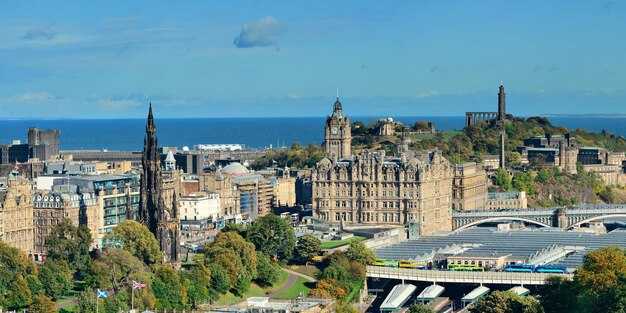
Stockbridge appeals to a specific type of traveller: someone who wants a genuine residential atmosphere rather than a tourist-district experience, values independent shops and cafes over chain hotels and convenience stores, and is happy to walk twenty minutes into the centre rather than stepping directly onto the Royal Mile. For visitors who fit that profile, it is one of the most enjoyable bases in Edinburgh.
The neighbourhood's commercial centre on Raeburn Place and St Stephen Street has a density of independent retailers that is unusual in a British city of Edinburgh's size. St Stephen Street in particular is known for its concentration of vintage clothing dealers, antique and jewellery shops, and specialist food retailers. The street has been a centre for independent retail since the 1970s and has largely resisted the pressure from chain stores that has affected many similar streets in other British cities.
The Stockbridge Market, held every Sunday from 10am to 5pm in Saunders Street, is one of Edinburgh's most popular weekly food and crafts markets. Regular stalls include local cheese and charcuterie producers, fresh pasta makers, Nepalese street food, and artisan bakers. The market draws a loyal following from across the city and is worth visiting even if you are not staying in Stockbridge. In August, additional street performances and market extensions run in connection with the Edinburgh Festival Fringe.
Accommodation in Stockbridge is predominantly small-scale: B&Bs occupying Georgian townhouses, self-catering apartments converted from stone tenements, and a small number of boutique guesthouses. This means fewer than a dozen rooms in most properties, which translates to more personal service and detailed local knowledge from hosts. Nightly rates for a double room in a well-regarded Stockbridge B&B run from around £85 in low season to £175 during August, which is competitive with New Town hotels of similar quality.
The Water of Leith Walkway, accessible from several points in Stockbridge, provides a traffic-free walking route into the city centre via Dean Village, a remarkably well-preserved former milling community with a cluster of historic buildings beside the river. The walk from Stockbridge to the West End of Princes Street via Dean Village takes around twenty-five minutes and passes through some of the most attractive urban scenery in Edinburgh. For dining out while staying in Stockbridge, the variety of dining options in the surrounding area includes everything from neighbourhood bistros to wine bars with extensive by-the-glass selections.
Bus routes 23, 27, and 36 connect Stockbridge to the city centre and run frequently throughout the day. Journey time to Princes Street is around eight minutes, making it easy to use Stockbridge as a base while spending the majority of your time in the Old Town or New Town.
Grassmarket: Central Location, Nightlife, and Budget Options
Grassmarket occupies a natural amphitheatre below the south face of Castle Rock, hemmed in by the castle to the north and the Cowgate valley to the south. The open square that gives the neighbourhood its name was used as Edinburgh's principal market and place of public execution from medieval times until the eighteenth century, and it now functions as one of the city's most atmospheric gathering places. The view north toward the castle's south elevation, with the rock face rising directly above the square, is one of Edinburgh's iconic urban views.
The neighbourhood's combination of central location, genuine character, and relatively affordable accommodation makes it a strong choice for independent travellers, couples, and small groups who want proximity to the main sights without paying Old Town hotel prices. Walking time to the castle esplanade is around eight minutes via the West Bow and Johnston Terrace. Greyfriars Kirkyard, one of Edinburgh's most famous and historically significant graveyards and the reputed inspiration for Greyfriars Bobby, is a five-minute walk to the east. The National Museum of Scotland on Chambers Street is a further five minutes beyond that.
Grassmarket's pub and bar scene is among the most dense in Edinburgh, with more than a dozen licensed premises on or immediately around the square. The White Hart Inn on the Grassmarket has been operating since 1516 and is one of Edinburgh's oldest licensed premises, with connections to Robert Burns, William Wordsworth, and the notorious body-snatchers Burke and Hare, who allegedly used it as a base of operations in the 1820s. The evening atmosphere is lively throughout the week and particularly busy on Friday and Saturday nights, when the square fills with a mix of local residents, students, and visitors. If you are a light sleeper or travelling with young children, look for accommodation on side streets away from the main square rather than directly on the Grassmarket.
| Accommodation Type | Price Range (per night) | Best Suited For | Distance to Castle |
|---|---|---|---|
| Boutique Guesthouse | £65–£120 | Couples, independent travellers seeking character and personal service | 6–8 minutes on foot |
| Budget Hostel (private rooms) | £30–£55 | Solo travellers, backpackers, those prioritising location over space | 7–12 minutes on foot |
| Mid-Range Inn | £80–£140 | Couples and small groups wanting en-suite facilities and a quieter atmosphere | 7–10 minutes on foot |
Several hostels in and around the Grassmarket offer private rooms at prices that compete with budget hotels, making them worth considering even for travellers who do not typically stay in hostel accommodation. Private rooms in well-regarded Edinburgh hostels typically include en-suite bathrooms, reliable broadband, and locker storage, and the social spaces can be a useful resource for meeting other travellers and getting recommendations for restaurants and day trips.
The Cowgate, running east from Grassmarket through a valley beneath the bridges that carry South Bridge and George IV Bridge overhead, has a concentration of late-night venues and club spaces that make it one of Edinburgh's principal nightlife areas. If this atmosphere is part of what you are looking for, accommodation in the Grassmarket puts you within a five-minute walk. If you are visiting primarily for daytime sightseeing and want to avoid late-night noise, this is worth bearing in mind when selecting a specific property.
Practical note on booking timing: accommodation in the Grassmarket area, particularly in the mid-range guesthouse category, tends to sell out earlier than equivalent properties in less central locations during August and the weeks surrounding Hogmanay, Edinburgh's New Year celebration. Hogmanay draws around 100,000 people to the city's streets on the night of 31 December and is one of the largest New Year events in the world. If you are planning to attend, accommodation within walking distance of Princes Street — which Grassmarket provides — becomes particularly valuable, and early booking is essential.
Practical Advice: Booking, Timing, and Getting Around
Edinburgh's transport network makes all five of the neighbourhoods in this guide practical bases regardless of where you plan to spend your time. The city is served by an extensive Lothian Buses network, the Edinburgh Tram line connecting the airport to the city centre and Newhaven, and a well-maintained cycling infrastructure including on-road lanes and the off-road Water of Leith Walkway.
The Lothian Buses day ticket costs £4.50 for adults and covers unlimited travel on all city bus routes for a single day, representing good value if you plan to make three or more journeys. Weekly passes are available at the Travelshops on Waverley Bridge and Hanover Street. The tram charges a flat fare of £1.80 for most city-centre journeys, with a higher fare of £7.50 for the full journey to the airport.
Weather in Edinburgh is characteristically variable throughout the year, and this should factor into accommodation decisions. The city sits on the east coast of Scotland and is drier than the west of Scotland — Glasgow receives approximately twice Edinburgh's annual rainfall — but wind can be significant, particularly on exposed elevated positions like the castle esplanade and Calton Hill. Average high temperatures range from 7C in January to 19C in July, and rain is possible in any month. Packing a waterproof layer regardless of the forecast is standard local practice.
For first-time visitors who are uncertain which neighbourhood to choose, the most practical default recommendation is the Old Town or Grassmarket area for stays of one to three nights, and the New Town or Stockbridge for stays of four nights or longer. The Old Town's concentration of sights rewards short visits where you want to cover the key attractions efficiently, while the New Town and Stockbridge offer a more relaxed atmosphere that becomes more enjoyable as you settle in over several days.
Whatever your choice, Edinburgh's small geographical scale means that no neighbourhood places you inconveniently far from anything you want to see. The city consistently ranks among Europe's most visited destinations, and its combination of architectural heritage, cultural programming, and independent food and drink scene gives it a quality of experience that justifies the reputation. Choosing your base thoughtfully — matching the neighbourhood's character to your own travel style — is the single most effective preparation you can make before you arrive.