
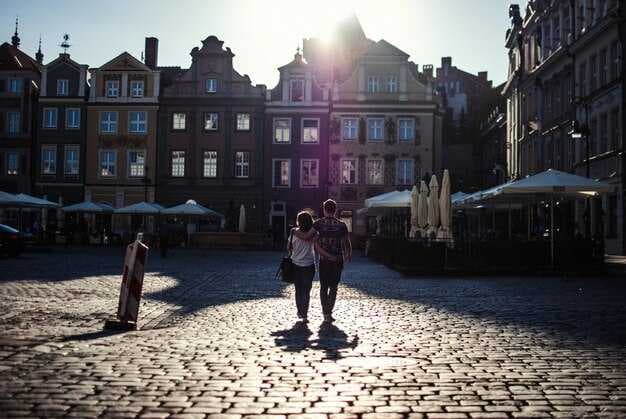
Copenhagen is one of Scandinavia's most livable cities, consistently ranking among the world's top destinations for design, cycling infrastructure, and quality of life. Choosing the right neighborhood matters here more than in most capitals, because each district has a genuinely distinct character — from the canal-threaded historic core of Indre By to the industrial-chic warehouses of Vesterbro, the multicultural energy of Nørrebro, the family-calm of Østerbro, the upscale parkland of Frederiksberg, and the new harbor district of Nordhavn. This guide breaks down all six areas in practical detail so you can match your travel style, budget, and itinerary to the part of the city that suits you best.
Copenhagen's public transport network — the Metro, S-Tog suburban rail, and an extensive bus grid — means that no neighborhood leaves you stranded. The city is also exceptionally cycle-friendly: more than 390 kilometers of protected bike lanes weave through every district, and rentals are available from approximately DKK 100–150 per day. That said, location still shapes your daily rhythm. Staying in Indre By puts you within a ten-minute walk of the major landmarks; staying in Nordhavn gives you a quieter harbor experience with a 15-minute Metro commute to the center. Understanding those trade-offs before you book will save frustration later.
One practical note on timing: Copenhagen's peak season runs from June through August, when hotel rates in Indre By and Vesterbro can rise 40–60 percent above their shoulder-season averages. Booking three to four months in advance for summer travel is strongly advisable. The shoulder months of April–May and September–October offer favorable prices, fewer crowds, and reliably mild weather, making them the best value windows for most visitors.
Travellers planning a longer Scandinavian loop often pair Copenhagen with a stay in Stockholm. Our guide to where to stay in Stockholm follows the same neighborhood-by-neighborhood format and covers the Swedish capital's distinct districts in equal depth.
1. Indre By — Best Area for First-Time Visitors and Landmark Access
Indre By, which translates directly as the "inner city," is Copenhagen's historic core and the natural base for visitors who want the major sights within walking distance. The district is bounded roughly by the ring of lakes to the northwest and the harbor to the east, and it encompasses some of the city's most recognizable addresses: Nyhavn, Strøget, Christiansborg Palace, the Round Tower, and the Latin Quarter.
The neighborhood's street grid is medieval in origin, which means narrow lanes, irregular block shapes, and the occasional surprising courtyard. Walking here rewards attention to detail — a seventeenth-century merchant's house might sit next to a modernist bank branch, and the transition from the busy pedestrian spine of Strøget to a quiet canal-facing alley can happen in a single turn. Nyhavn, the iconic waterfront strip of painted townhouses, is a constant draw and can feel congested in summer, but the parallel streets immediately behind it — Toldbodgade and Sankt Annae Plads — offer the same harbor proximity with far less foot traffic.
Accommodation in Indre By covers the full price range. Large international hotels cluster around Kongens Nytorv and near Copenhagen Central Station, offering the reliability of chain brands with Scandinavian design touches. Mid-range and boutique properties occupy converted merchant houses and former warehouses closer to Nyhavn and the Latin Quarter. Serviced apartments with kitchen facilities are available throughout the district and represent good value for stays of four nights or longer, particularly for families or groups.
What to Know Before Booking in Indre By
- Walkability: Christiansborg Palace, the National Museum, the Round Tower, and Nyhavn are all reachable on foot from most Indre By hotels in under 15 minutes.
- Noise levels: Streets around Strøget and Nyhavn are active late into summer evenings. If light sleep is a concern, request a courtyard-facing room or choose a hotel on a quieter side street.
- Price positioning: Expect to pay DKK 1,100–2,200 per night for a standard double in peak season, with budget hostels available from DKK 250–350 per dorm bed.
- Transit: Kongens Nytorv Metro station (M1 and M2 lines) sits at the eastern edge of the district; Copenhagen Central Station anchors the western side with S-Tog and regional rail connections.
Indre By is the right choice if this is your first visit to Copenhagen, if your itinerary is heavy on museums and palaces, or if you value the ability to return to your hotel between activities without consulting a transport map. Its central position also makes it a practical base for day trips — the airport is 14 minutes by Metro from Kongens Nytorv, and the train to Malmö, Sweden, departs from Copenhagen Central Station in under 40 minutes. Travellers familiar with staying in the historic heart of another canal city will find a comparable experience in our guide to the best areas to stay in Amsterdam.
2. Vesterbro — Best Area for Nightlife, Food Markets, and Urban Style
Vesterbro sits immediately west of Copenhagen Central Station and has undergone the most dramatic transformation of any Copenhagen neighborhood over the past two decades. Once a working-class district with a reputation for rough edges, it is now one of the city's most sought-after addresses, anchored by the Meatpacking District — Kødbyen — which has become the definitive hub of Copenhagen's after-dark scene.
Kødbyen occupies a cluster of early-twentieth-century brick warehouse buildings that were genuinely used for meat processing until the 1990s. Today those same buildings house acclaimed restaurants, concept bars, art galleries, and live-music venues. The aesthetic — raw brick, high ceilings, exposed steel, rough concrete — has become so influential that it has been replicated in neighborhoods across Northern Europe. The original, however, remains the benchmark. Mikkeller, one of Denmark's best-known craft-beer brands, opened some of its earliest bar outposts in this district, and the concentration of serious restaurants has only grown since.
Away from Kødbyen, Vesterbro's residential streets — particularly Istedgade and Vesterbrogade — offer a more everyday version of the neighborhood: independent coffee shops, vinyl record stores, secondhand clothing boutiques, and the kind of neighborhood bakeries where Copenhageners actually eat breakfast rather than performing it for social media. The district's population is young, creative, and mixed in background, giving it a more genuinely urban texture than the polished surface of Indre By.
Accommodation Options in Vesterbro
- Warehouse-converted boutique hotels near Kødbyen: These properties lean into the industrial-chic aesthetic, featuring exposed brick, oversized windows, and design-forward furniture. They are best for visitors whose primary focus is the food and nightlife scene, as you can walk back from dinner at midnight without needing transport.
- Mid-range hotels along Vesterbrogade: The main boulevard connecting Central Station to Frederiksberg is lined with hotels across a broad price range. Rooms here are convenient for transit — the Central Station is within 10–15 minutes on foot — and the surrounding streets provide good access to both Vesterbro's local scene and the wider city.
- Apartments near the lakes (Søerne): The northeastern edge of Vesterbro borders the ring of artificial lakes that separate the inner city from the outer neighborhoods. Apartments here offer lake views, a quieter sleeping environment, and a pleasant morning walk along the water before catching the Metro.
| Spot type | Vibe notes | Practical tips | Distance to center |
|---|---|---|---|
| Meatpacking District (Koedbyen) | Brick warehouses, acclaimed restaurants, late-night clubs | Arrive for dinner before 19:00 to avoid queues; ID checks apply after 01:00 at club entries | 0.5–1.0 km from Central Station |
| Istedgade bar strip | Casual craft-beer bars, live music, local crowd | Queues shorter before midnight; mix of standing and seated venues | 0.5–1.5 km |
| Vesterbrogade hotel corridor | Mixed price range, reliable transit access | Request upper floors for quieter rooms; street noise can be significant | Direct access to Central Station on foot |
A practical consideration: Vesterbro's Koedbyen restaurants are among the most popular in the city, and several require advance reservations of four to six weeks during peak season. If eating at specific venues is part of your reason for staying here, book both accommodation and restaurant tables well in advance. For visitors who want a similarly energetic urban base elsewhere in Europe, the same gritty-meets-design energy is documented in our guide to where to stay in Berlin.
3. Norrebro — Best Area for Budget Stays, Multicultural Food, and Street Culture
Norrebro lies immediately north of the city center, separated from Indre By by the Sortedams So lake. It is the most densely populated neighborhood in Denmark, home to roughly 75,000 residents in an area of approximately 3.6 square kilometers. That density is palpable on the streets: the main artery of Norrebrogade is busy with cyclists and pedestrians at almost any hour, and the side streets branch into a complex network of residential blocks, courtyards, and community gardens.
The neighborhood's demographic character is the most diverse in Copenhagen. Significant communities of Turkish, Pakistani, Somali, Palestinian, and Lebanese heritage have shaped the food scene, the shop mix, and the street culture over decades. Blågårdsgade, a pedestrianized street in the heart of the district, is lined with cafes, small restaurants, and bars that represent this diversity in their menus: freshly baked pastries alongside Lebanese falafel, Somali tea houses beside third-wave specialty coffee roasters. Jaegersborggade, a parallel street a few blocks away, leans more toward the artisan-and-design end of the spectrum, with ceramics studios, natural wine bars, and a handful of restaurants that regularly appear in Nordic food guides.
Norrebro is also the neighborhood most associated with Copenhagen's street-art culture. Large-scale murals appear on building ends throughout the district, many commissioned through organized arts programs, others the product of the neighborhood's longstanding tradition of unsanctioned visual expression. Assistens Cemetery, located at the center of the neighborhood, functions as both a burial ground and a public park where locals jog, read, and picnic around the graves of Hans Christian Andersen and Soren Kierkegaard.
Staying in Norrebro: Practical Details
Accommodation options in Norrebro skew toward budget and mid-range, reflecting the neighborhood's character. Hostels on and around Norrebrogade offer the lowest per-night costs in the city's inner neighborhoods — typically DKK 200–300 per dorm bed — while private rooms and small apartments start around DKK 650–900 per night. Boutique options exist but are fewer than in Vesterbro or Indre By, which is part of why prices remain accessible.
Getting around from Norrebro is straightforward by bicycle: the ride to Kongens Nytorv takes approximately 15–20 minutes along clearly marked lanes, and the route along Norrebrogade itself passes through some of the most visually interesting streetscape in the city. The district is less well served by the Metro than Vesterbro or Indre By, but bus connections on the 5C and 350S routes are frequent and reliable. A new Metro line extension with a Norrebro station is under construction and planned for completion in 2027, which will improve connectivity further.
- Best base within the neighborhood: The area around Blågårdsgade and Assistens Cemetery offers the most concentrated access to the neighborhood's best food and cultural assets.
- Budget consideration: Norrebro consistently offers 20–30 percent lower accommodation rates than Vesterbro or Indre By for comparable property types.
- For longer stays: Apartments with kitchen facilities are widely available and represent particularly good value here; weekly rates can be significantly lower than hotel rates.
- Food highlight: The Saturday flea market at Assistens Cemetery runs from April through October and is one of the city's best for vintage clothing and household goods at reasonable prices.
4. Osterbro — Best Area for Families and a Calm, Residential Experience
Osterbro occupies the northeastern quadrant of central Copenhagen, stretching from the ring of lakes up to the harbor and along the coast toward Nordhavn. It is the neighborhood that Copenhageners themselves frequently cite when asked where they would choose to live: tree-lined streets, excellent schools, a lower commercial density than the inner neighborhoods, and consistent access to green space and the waterfront. For visitors, this translates into a calm, safe, and very livable base that is particularly well suited to families and to travelers who find the bustle of Indre By or Vesterbro more exhausting than energizing.
The dominant green space is Faelledparken, a 58-hectare public park that serves as the neighborhood's living room. On summer weekends it fills with families, sports teams, impromptu concerts, and food trucks — it is the site of Copenhagen's annual May Day gathering and regularly hosts outdoor cinema screenings during the summer months. To the southwest, the Serne lakes provide a 7-kilometer waterfront walking and cycling route that connects Osterbro to Norrebro and Frederiksberg, making it possible to explore multiple neighborhoods in a single morning without using public transport.
Osterport Station is the district's main transit hub: S-Tog trains reach Copenhagen Central Station in 8 minutes, and the station also connects to the Nordhavn Metro station one stop north. The harbor promenade running along the eastern edge of Osterbro is one of the city's premier cycling and running routes, linking the neighborhood to the Nordhavn development area and, further north, to the beach at Svanemollestranden — a 200-meter sandy beach that is genuinely swimmable from June through August.
Family Travel in Osterbro
Several features make Osterbro particularly practical for families:
- Copenhagen Zoo is located on the district's western boundary (technically just inside Frederiksberg), reachable by bike in 20–25 minutes from most Osterbro hotels. With more than 3,000 animals and a well-designed layout for children, it is typically a full-day commitment.
- The Little Mermaid statue at Langelinie is a 20-minute walk from the center of Osterbro along the harbor promenade — a pleasant route that passes the Kastellet fortress and the Resistance Museum.
- Accommodation character: Hotels in Osterbro tend to be quieter than their Indre By counterparts, with more apartment-style options offering kitchen facilities, washing machines, and the kind of space that makes managing children's schedules easier.
- Supermarket access: Multiple well-stocked supermarkets (Irma, Netto, and Fakta chains are common) are within easy walking distance of most Osterbro accommodation, supporting self-catering.
Dining in Osterbro is anchored by Trianglen, a traffic junction that has become an informal neighborhood center surrounded by cafes, restaurants, and a Saturday street market that runs through the summer. The area around Osterbrогаde itself offers a good selection of Italian, Thai, and contemporary Nordic restaurants, most of them oriented toward the local residential community rather than tourist traffic, which generally keeps quality up and prices moderate.
5. Frederiksberg — Best Area for an Upscale, Residential Experience with Park Access
Frederiksberg is technically an independent municipality entirely surrounded by Copenhagen rather than a neighborhood within the city itself — a distinction that dates to a 1901 municipal reorganization and that Frederiksberg residents are generally happy to point out. In practice, the area functions as one of Copenhagen's premier residential districts: wide, tree-lined boulevards, some of the city's grandest nineteenth-century apartment buildings, a concentration of high-end retail, and two of the best green spaces in the metropolitan area.
Frederiksberg Have is the more formal of the two: a 32-hectare landscaped park surrounding Frederiksberg Palace that was laid out in the early eighteenth century and modified into its current English landscape style in the 1800s. The park features a lake with rowing boats for hire, several garden follies and pavilions, and a Chinese Pavilion that dates from 1799. It is particularly beautiful in spring when the cherry trees are in bloom and in autumn when the beeches turn. Sondermarken, adjacent to the Have, is a larger and more informal green space that transitions into the grounds of Copenhagen Zoo at its northern edge.
The shopping and dining axis of Gammel Kongevej runs through the heart of Frederiksberg, connecting Central Station (a 20-minute walk to the east) with the park. This street hosts a combination of international brands and independent design boutiques, alongside some of the city's best food shops: specialist delicatessens, high-quality fishmongers, and the kind of wine merchants that stock serious Danish and French labels. The Frederiksberg Center shopping mall provides a more conventional retail option for everyday needs.
Accommodation in Frederiksberg
Hotels in Frederiksberg tend toward the upscale and the boutique. The neighborhood's residential character means that large chain hotels are less common here than in Indre By, and the properties that do exist tend to emphasize comfort and quiet over price competitiveness. Expect to pay DKK 1,400–2,600 for a standard double in a well-reviewed hotel, though serviced apartments — which are plentiful here — can bring the effective per-night cost down significantly for stays of a week or longer.
The Metro's Frederiksberg station (M1 and M2 lines) and Frederiksberg Alle station place most of the neighborhood within a 20-minute connection to the city center. For cyclists, the ride to Radhuspladsen (City Hall Square) takes approximately 15 minutes along well-maintained lanes. The density of buses on Frederiksberg Allé and Gammel Kongevej provides additional options at all hours.
- Best for: Couples, longer stays, visitors who want a genuinely residential Copenhagen experience away from tourist congestion, and travelers with an interest in Danish design and food culture.
- Worth noting: Frederiksberg has a lower density of budget accommodation than Norrebro or Vesterbro; if price is the primary constraint, another district may serve better.
- Day-trip logistics: Frederiksberg's Metro connections make it easy to reach the airport (approximately 30 minutes via Vanlose line interchange) and Central Station for regional trains.
6. Nordhavn — Best Area for Modern Architecture and Harbor Living
Nordhavn — "North Harbor" in Danish — is Copenhagen's most ambitious urban development project of the twenty-first century. What was until the 1990s a working industrial port has been systematically transformed into a mixed-use neighborhood of residential towers, corporate headquarters, cultural venues, harbor baths, and waterfront public space. The project is ongoing: approximately half of the planned development was complete as of 2025, with construction continuing on the northern sections of the peninsula through the early 2030s.
The area that is developed and operational is genuinely striking. The architecture ranges from the bold — several towers by internationally recognized Danish and international firms — to the adaptive, where former industrial structures have been converted into offices, restaurants, and event spaces. The Nordhavn harbor bath, open from late May through August, allows swimming in the inner harbor waters, which Copenhagen has maintained at bathing quality since a major sewage infrastructure investment in the 1990s. A second harbor bath on the Nordhavn peninsula opened in 2023 and has quickly become one of the city's most popular summer gathering points.
The Metro's M4 line, which opened in 2020, connects Nordhavn directly to central stations at Kongens Nytorv and Copenhagen Central Station, with a journey time of approximately 10–12 minutes to the center. This rapid connection largely resolves the geographic separation that might otherwise make the neighborhood feel remote. A second M4 station at Copenhagen Airport (Lufthavnen) also makes Nordhavn a practical first-night or last-night option for travelers with early or late flights: the airport is reachable in approximately 25 minutes without a connection.
Who Should Stay in Nordhavn
Nordhavn suits a specific type of traveler well and suits others less well. The neighborhood is the right choice if:
- You are interested in contemporary Scandinavian urban planning and architecture — nowhere else in Copenhagen offers such a concentrated demonstration of how the city is building for the future.
- You value quieter surroundings and a residential pace in the evenings, combined with fast transit access to the city center during the day.
- Your stay falls in summer, when the harbor baths and waterfront cafes make the neighborhood particularly active and enjoyable.
- You are traveling on business, as the neighborhood hosts several corporate headquarters and conference facilities with direct Metro access to the city center.
Nordhavn is a less natural fit for first-time visitors who want maximum proximity to Copenhagen's historic landmarks, or for travelers on a tight budget, as the neighborhood's newer construction stock means accommodation leans toward the mid-range and above. The food scene, while growing, is less established than in Vesterbro or Norrebro — a situation that will likely improve as the development continues, but that represents a real limitation for the time being.
Accommodation options in Nordhavn are anchored by several design hotels built into converted industrial structures, alongside a growing number of serviced apartment complexes catering to business travelers and long-stay visitors. Rates are generally comparable to Vesterbro — DKK 1,000–1,800 for a standard double — with the additional attraction of harbor views available at mid-range price points that would command a significant premium in Indre By.
Quick Comparison: Which Copenhagen Neighborhood is Right for You
| Neighborhood | Best for | Approximate rate range (standard double) | Transit to center |
|---|---|---|---|
| Indre By | First-time visitors, landmark access, convenience | DKK 1,100–2,200 | Walking distance; Metro from Kongens Nytorv |
| Vesterbro | Food, nightlife, urban style | DKK 950–1,800 | 10–15 min walk to Central Station |
| Norrebro | Budget travelers, multicultural food, local atmosphere | DKK 650–1,200 | 15–20 min by bike or bus |
| Osterbro | Families, parks, calm residential pace | DKK 900–1,600 | 8 min by S-Tog from Osterport |
| Frederiksberg | Upscale stays, parks, design and food culture | DKK 1,400–2,600 | 20 min by Metro or 15 min by bike |
| Nordhavn | Architecture, harbor views, business travelers | DKK 1,000–1,800 | 10–12 min by Metro (M4) |
Practical Tips for Booking Accommodation in Copenhagen
A few points apply regardless of which neighborhood you choose:
Book early for summer. Copenhagen's peak season concentrates demand sharply between late June and mid-August. Hotels in Indre By and Vesterbro in particular can sell out two to three months in advance for popular weekends, and prices rise steeply as availability narrows. The summer period also coincides with the Copenhagen Jazz Festival (typically the first two weeks of July), which adds to accommodation pressure across all central neighborhoods.
Consider the shoulder season. April through May and September through October offer a notably different experience: lower rates, smaller crowds at major attractions, and weather that is still reliably pleasant for outdoor exploration. Copenhagen's café culture, cycling infrastructure, and indoor attractions make it a year-round destination rather than a purely summer one.
Evaluate self-catering seriously. Copenhagen has one of the highest restaurant price levels in Europe — a modest lunch for two with drinks will typically cost DKK 350–500, and dinner at a mid-range restaurant runs DKK 600–900. Apartments with kitchen facilities allow you to use Copenhagen's excellent supermarkets and food markets, which carry high-quality produce, dairy, and meat at significantly lower prices than restaurants. For stays of four nights or longer, the saving can offset a higher accommodation cost.
Plan your cycling logistics. The city's cycling infrastructure is genuinely world-class, but it operates on Danish norms: stay in the lane, signal your turns, and do not stop abruptly. Rental bikes are available through city schemes and private operators at most major neighborhoods. If you plan to cycle frequently, choosing accommodation with secure bike storage is worthwhile.
Copenhagen rewards time spent in multiple neighborhoods rather than staying anchored in a single district. The city is compact enough that a morning in Indre By, an afternoon in Norrebro, and an evening in Vesterbro is a realistic single-day itinerary. Whichever neighborhood you choose as your base, the others are close enough to explore thoroughly during a standard four-to-seven day visit.