 English
  Russian
  French
  German
  Italian
  Spanish
  Japanese
  Chinese
  Arabic
  Portuguese
  Greek
Greek  Ukrainian
  Turkish
  Czech
Czech  Korean

Base in Back Bay for central access to water, sites, and the theaters. The area is loved by guests for its classic brick façades and compact walkability, with quieter streets that keep room rates steady and services reliable. The result is more time to explore water and waterfront, easy access to the rail line into downtown, and quick reach to Theater District venues.
Beacon Hill preserves a quiet, stylish vibe with classic street lamps and brick row houses. Its proximity to government sites and historic streets makes mornings crisp, while access to the Red Line and other rail lines aligns with easy trips to the Seaport or Fenway. This district is loved by travelers who value charming service, boutique rooms, and a calm pace. One thing to know: planning trips to nearby destinations is straightforward thanks to compact blocks and reliable transit.
North End puts you within steps of iconic sites and waterfront promenades, with a neighborhood rhythm that locals say feels authentic. It’s a compact walk to the Freedom Trail and a quick rail line hop to the Seaport or Beacon Hill. If you’re arriving via logan, a short rail leg into downtown gets you here in minutes.
Seaport District blends water views with modern design, making it ideal for business trips and longer stays alike. You’ll find plentiful services and dining options, plus the harborwalk trail that links a string of destinations along the water. The crowd is quieter closer to the harbor and the skyline adds a distinctive style after a day of planning trips.
Fenway-Kenmore anchors sports fans and culture lovers, with easy access to the gardner museum and a cluster of theaters. It feels quieter than downtown while staying a short rail line away from business districts and the Seaport. Room options mix value with style, backed by reliable service that suits both work trips and weekend escapes.
South End pleases with tree-lined streets and a gallery of boutique restaurants; a classic mix of brownstones and modern hotels creates a style that’s beloved by locals. It’s well connected to the financial district via a short rail ride, and its planning-friendly layout makes it easy to hit multiple sites in a day. You’ll find quiet nights and generous room spaces, plus a range of services tailored to contemporary travelers.
Charlestown combines harbor views with historic trails and the Freedom Trail starting from Bunker Hill. A calmer option with spacious streets and parking ease, it links to downtown via either the orange line or commuter rail, and offers easy access to destinations along the water. Locals said this district is loved by families and executives who want a quieter base with character and quick links to quick trips into the center.
Where to Stay for Budget Travelers in Boston: Brighton-Allston and 6 Other Pocket-Friendly Neighborhoods
Brighton-Allston offers the strongest value for money-minded travelers with a dense mix of hostels and family-run inns, plus transit that drops you downtown quickly. These districts deliver easy access to universities, local favorites, and historic streets without breaking the bank.
-
Brighton-Allston
- Accommodations: hostels and budget inns with private rooms and dorm options; many rates dip below 150 USD per night in off-peak periods.
- Transit: quick links to downtown via the B Line and multiple buses; reliable 24-hour options on certain routes for late arrivals.
- Vibe and notes: lively college-town energy with cobblestone corridors around Centre Street; sunset views over the skyline from nearby spots; easy access to a handful of family-owned restaurants.
-
Jamaica Plain
- Accommodations: a mix of small hostels, guesthouses, and apartment rentals that feel homey and local.
- Transit: Orange Line to downtown; stocked with local cafés and markets that stay open late on weekends.
- Vibe and notes: these streets blend historical charm with a casual, family-friendly atmosphere; a short ride to landmarks and easy sunset strolls along the hills and ponds.
-
Roxbury
- Accommodations: simple budget inns and rooms in shareable buildings; many options include kitchen facilities for savings.
- Transit: bus connections to key downtown hubs and the Orange Line corridor for fast access to attractions.
- Vibe and notes: a rich sense of local history and culture with a welcoming, down-to-earth feel; worth exploring at lunch or dinner at neighborhood restaurants.
-
Dorchester
- Accommodations: affordable motels and guesthouses with family-friendly pricing; some buildings offer courtyard spaces for sitting after a day of exploring.
- Transit: multiple bus routes and rapid connections to the T; easy rides to the harbor and commonwealth-related campuses.
- Vibe and notes: historical pockets and a busy local scene; plenty of casual spots to grab a quick bite before heading to a museum or sea view.
-
East Boston
- Accommodations: value-focused hotels and budget inns near the waterfront; some hostels cater to travelers seeking simple, homey stays.
- Transit: fast access to downtown via the ferry network and reliable bus routes; convenient for early flights at Logan and sunset views over the harbor.
- Vibe and notes: a diverse, lively local scene with fresh seafood spots and parks; a practical base for exploring the North End and waterfront districts.
-
Charlestown
- Accommodations: budget apartments and historic inns on cobblestone streets; many options come with a classic town vibe.
- Transit: walkable to riverfront piers and easy shuttle links to downtown; a short ride to Beacon Hill where the dome of the State House catches the sunset.
- Vibe and notes: historical heat with a tight-knit, local sense; great for wandering old shipyards, cafés, and landmark sites.
-
Roslindale
- Accommodations: homey guesthouses and small inns that emphasize comfort and value; many have shared kitchens to save costs.
- Transit: straightforward access to downtown via bus and rail options; a calm town feel with leafy streets and local markets.
- Vibe and notes: favorites include neighborhood parks and courtyard spaces for relaxed evenings; a reliable base for families and solo travelers alike.
These locales depend on a mix of cheap hostels, family-run buildings, and easy transit to core sights. If you’re chasing low rates with a local flavor, these pockets offer easy access to universities, 24-hour services, and a steady stream of affordable restaurants and cafes–worth adding to your travel plan for a balanced Boston experience.
Budget-Friendly Lodging: What to Expect in Brighton-Allston
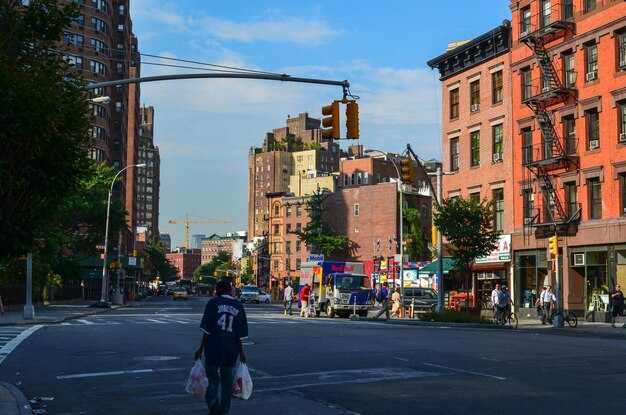
Start with Packard’s Corner as a base: cheap rooms with close access to the Green Line train and frequent buses, plus coffee shops and little markets that fuel late-night runs.
Pros include lower nightly averages vs core zones, a calmer vibe, and easy access to campus events and commuter routes. Night access is straightforward thanks to nearby transit.
Prices include cheap dorm beds around 60-90, midweek rooms 90-140, weekend 120-180; taxes and insurance sometimes not included in base price.
Options include budget inns, guesthouses, and small motels; many include Wi‑Fi, coffee, and bike storage behind a secure gate. Always check if bookings include insurance or cancellation protection; thats a practical precaution.
Transport access is easy via MBTA Green Line train at Packard’s Corner or Harvard Ave stops; buses along commonwealth ave; bikes are common; many spots offer racks and suggested routes; this keeps exploring cheap and convenient.
Sites nearby mix historic architecture and local favorites; gardner street cafés; coffee spots; night events and a small party pop up near student hubs; local favorite bakery off Harvard Ave; that approach feels very local.
Tips include booking ahead during campus events, noting total with taxes, and ensuring you understand cancellation rules; bring a light backpack, a bike light, and a little patience with crowds on peak nights. Carry a map to locate favorite coffee spots anywhere within easy walking reach.
Transit Access: Proximity to T Lines and Downtown

Base yourself in Back Bay–strong transport access and the fastest reach to downtown.
From Back Bay Station, the Orange Line delivers to Downtown in under five minutes, with Park Street or State Street handy transfer points to the Red Line. From Park Street, the Red Line reaches Harvard Square in roughly ten minutes.
The Green Line adds flexible routes to Kenmore and the Fenway, while the Blue Line offers a rapid link to the Seaport and waterfront when you hop at Aquarium or Government Center. This setup constantly keeps transport options open and the vibe you want within easy reach.
Evenings and nights shine in Back Bay and the Seaport; rooftop bars overlook brick facades and wood accents, contributing to a vibe that’s stylish yet approachable. Safe, convenient streets stay inviting after night hours.
A four-season approach means walking to sights or catching a quick train. youll experience a safe, stylish environment with minimalism-inspired spaces and a bright, original aesthetic.
North of the core, Beacon Hill and the North End stay close to the Green and Orange corridors, offering historic charm and quick connections to central hubs. If youre thinking about an original setting with a calm pace, these districts deliver a balanced mix of safety and accessibility.
Guided by practical routes, Natick is a reasonable day-trip option: Natick Center on the Framingham/Worcester line connects to South Station by commuter rail, then a short transfer to the core. Expect about forty to fifty minutes door-to-door, enough time to savor a coffee before returning to the city.
This guide helps you think about priorities: transport networks, safety, and vibe; youre in control of choosing the right tempo and distance.
Value Dining: Finding Affordable Eats by Neighborhood
Back Bay, near newbury Street is the most practical starting point for value dining. It offers a completely casual mix of counter-service spots, markets, and cafes that keep lunch at a friendly price under $15. Look for Mediterranean bowls, sandwiches, and quick pizza slices, plus drinks priced under $6. The district is boutique and stylish, with several options overlooking the water along the Charles River and Common, so this choice suits visitors who want maximum experience without overspending.
South End delivers a compact, arts-rich dining cluster. For price-conscious lunches, seek casual bistros and market counters offering salads, bowls, or sandwiches around $12 or less. The atmosphere is boutique and stylish, with cafe vibes and a constant stream of drinks options; this enables visitors to sample favorites without overspending. Staying in boutique suites nearby, you’ll appreciate the quick hops between galleries and museums between meals.
Fenway-Kenmore is ideal for a compact, value-forward day of food and culture. Time Out Market Boston concentrates multiple vendors under one roof, giving you a single price point and easy option for sampling favorites after visits to nearby museums. For a quick trip from the Green Line, you can snack before a game or museum hour. The area is commuter-friendly and stylish for a casual bite.
North End excels for affordable Italian staples. Pizza by the slice and panini windows routinely land under an affordable price, with many spots overlooking narrow streets and harbor views. Grab a cafe and pastry; this makes a completely satisfying meal before more sightseeing, whether you are planning a museum run or a water-front stroll.
Seaport District offers waterside dining with straightforward value. Look for casual spots near the museums and waterfront; shared plates and tasting menus hover around $12–$18, with drinks specials during happy hours. The vibe is stylish and contemporary, with a sense of freedom to move between piers and parks while staying on budget.
Charlestown keeps prices honest in historic tavern vibes and simple eateries. Lobster rolls, chowder cups, and sub sandwiches regularly cost under $12, and you’ll find options overlooking the harbor. If you’re visiting with a sense of exploration, this district offers authentic flavors without a heavy price tag, perfect for staying travelers who want to mix walking tours with meals.
Dorchester and Natick day-trip option expands the map for visitors who do more than stay in the core districts. A quick commuter trip to Natick offers outlets and cafe breaks, adding variety to your experience. Whether you return with new favorites or plan additional meals around your hotel, this choice keeps the price per meal reasonable and the schedule flexible while still staying true to a boutique, neighborhood-friendly approach.
Safety and Sleep: Choosing Quiet Streets and Manage Noise
Book a room on a quiet, tree-lined side street and request a higher floor; choose a bed facing a courtyard to minimize street noise.
Options span from natick to citys, with price brackets that range from small studios to expensive suites, and this covers everything you need for a restful trip.
Complimentary blackout curtains and complimentary earplugs help ensure rest, especially in summer, when windows may be open and noise rises at sunset. Keep transport simple by choosing spots near mbtas lines on quieter branches, not right over busy nightlife corridors.
Areas with a historical backdrop offer calmer evenings, and the town vibe often carries less congestion than denser hubs. Affordable choices exist on quieter blocks, but some options are expensive; thats the trade-off for proximity to restaurants and culture. Each area can feel different, so rest on a block that suits your rhythm and avoid either extreme noise or absolute silence.
In practice, choose quieter streets where you can hear birds instead of club music; if you’re traveling in summer, a room at a higher floor can make a big difference. Where you rest, the sunset view from a north- or west-facing window can be awesome. The city’s life is rich with culture, cuisine, and scenery, so balance price, backdrop, and transport to find your simplest route to good sleep.
Trip Type Match: Picks for Families, Solo Travelers, and Groups
Families should anchor near the waterfront, where daily strolls, a bench along the promenade, and views of ferries add structure to sightseeing days. A complete schedule is easy to pull together because the terminal is within walking distance of harbor parks, kid-friendly museums, and cafés. Lodging options with brownstones nearby offer a luxurious vibe in boston without sacrificing practical access to transit, and returns from day trips are simple thanks to flat streets and well-lit sidewalks. There’s something adaptable to every pace.
Solo travelers seeking a compact, efficient base should lean toward cambridgeharvard at the university corridor, where coffee shops, book stores, and cross-town buses create a guide-like vibe. Daily exploration becomes straightforward because subway transfers are minimal, and this district overlooks river views and skyline glimpses. Lodgings here are modestly priced, plus they keep you close to cafés, galleries, and research centers, so sightseeing becomes uninterrupted by long commutes.
Groups benefit from larger, flexible stays in districts with brownstones and brick facades, providing private space and social gathering spots. A waterfront base offers panoramic views, while some blocks overlooking harbor activity. If your group wants easy access to transit, choose a location within walking distance to a terminal and several neighborhoods that harbor museums and parks. From there, you can plan day trips, enjoy group dinners, and maintain a relaxed pace; the choice depends on whether skyline views or a quieter village feel is preferred, but either way you gain access to a complete itinerary with less rushing.
| Trip type | Recommended base | Why it fits | Typical daily spend |
|---|---|---|---|
| Families | waterfront districts | safe promenades, terminal access, kids’ venues, bench nearby, views | 150–280 USD |
| Solo travelers | cambridgeharvard corridor | cafés, bookstores, transit ease, skyline views | 120–200 USD |
| Groups | brownstone-rich districts or harbor blocks | larger units, social spaces, overlooking harbor activity | 180–320 USD |